Play · Growth · Human Flourishing·Powered by AI
Moses Silbiger, MA
Researcher - AI · Interactive Entertainment · Developmental Psychology

Articles & Posts
page in construction

Articles & Posts

Press Play to Grow!
Writing at the intersection of AI · Play · Human Development
Ideas in progress. Research in motion. Vision in writing.

What's Inside

Articles
Featured


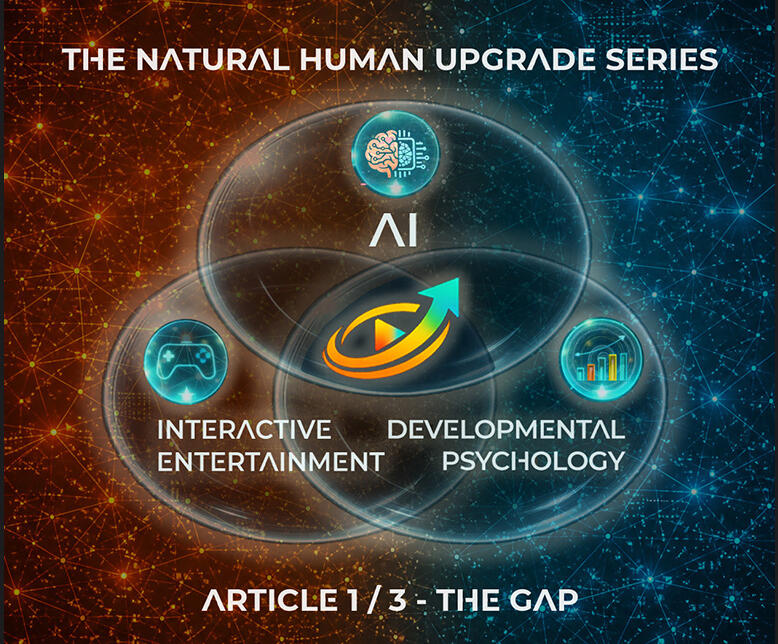

The Natural Human Upgrade Series
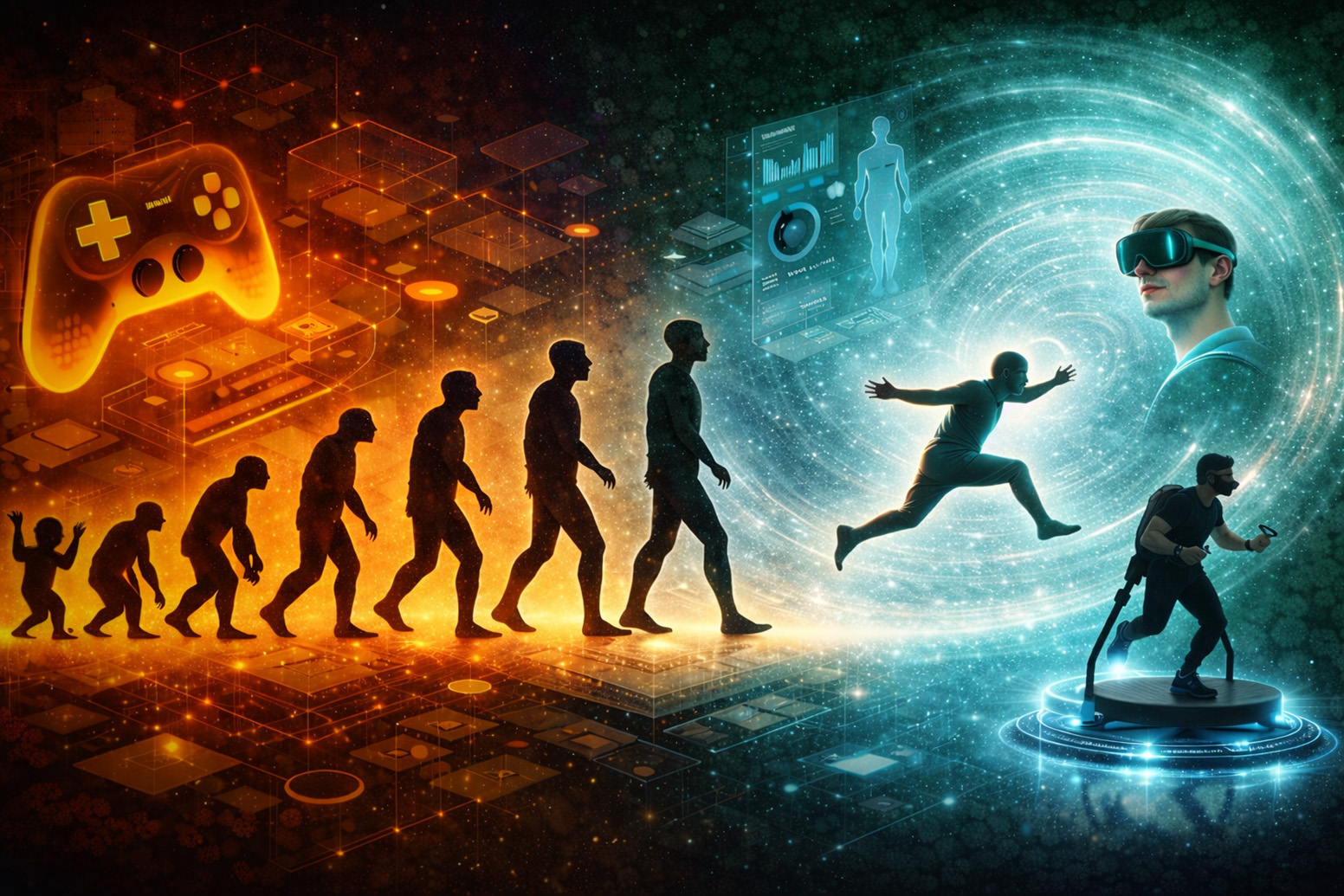
Article 1/3 - The Gap
Something is Missing from the Conversation - and It's Costing Us

Everyone is talking about 𝗔𝗜. And they should be.The speed of change right now is genuinely unprecedented. New tools, new capabilities, new disruptions - week after week.
The conversation about 𝗔𝗜 and the workforce, 𝗔𝗜 and productivity, 𝗔𝗜 and the future of work - that conversation is everywhere. And it matters.Then there's another layer that some leaders are starting to add.Fei-Fei Li (Stanford) has been championing 𝗵𝘂𝗺𝗮𝗻-𝗰𝗲𝗻𝘁𝗲𝗿𝗲𝗱 𝗔𝗜.Andrew Ng (DeepLearning) has been pushing hard on 𝗵𝘂𝗺𝗮𝗻 𝗱𝗲𝘃𝗲𝗹𝗼𝗽𝗺𝗲𝗻𝘁 and upskilling in the 𝗔𝗜 era.Sandy Carter - AI advocate, tech leader and author of "AI First, Human Always" - is bringing the "human factor" into the conversation.Jaime Lien (Archetype AI) is exploring how 𝗔𝗜 can understand and respond to human behavioral data.Emmett Shear (Twitch/OpenAI) has raised important questions about what 𝗔𝗜 means for humanity's future. And there are a few others in a growing list.These are important voices. And they're pointing in the right direction.
And there are a few others in a growing list. But here's what almost nobody is talking about.𝗪𝗵𝗮𝘁 𝗶𝗳 𝘁𝗵𝗲 𝗵𝘂𝗺𝗮𝗻 𝗯𝗲𝗶𝗻𝗴 𝗶𝘁𝘀𝗲𝗹𝗳 𝗶𝘀 𝘁𝗵𝗲 𝗯𝗼𝘁𝘁𝗹𝗲𝗻𝗲𝗰𝗸?We're giving people exponentially more powerful tools - without exponentially developing the people who use them.We're upgrading the software without upgrading the hardware. And by hardware I mean us.Our capacity to think clearly under pressure.
To collaborate without fear.
To make ethical decisions in real time.
To stay curious instead of reactive.That's not a technology problem.That's a 𝗵𝘂𝗺𝗮𝗻 𝗱𝗲𝘃𝗲𝗹𝗼𝗽𝗺𝗲𝗻𝘁 problem.And while some voices in the humanities (including 𝗱𝗲𝘃𝗲𝗹𝗼𝗽𝗺𝗲𝗻𝘁𝗮𝗹 𝗽𝘀𝘆𝗰𝗵𝗼𝗹𝗼𝗴𝗶𝘀𝘁𝘀) and in 𝗔𝗜 are starting to ask the right questions -
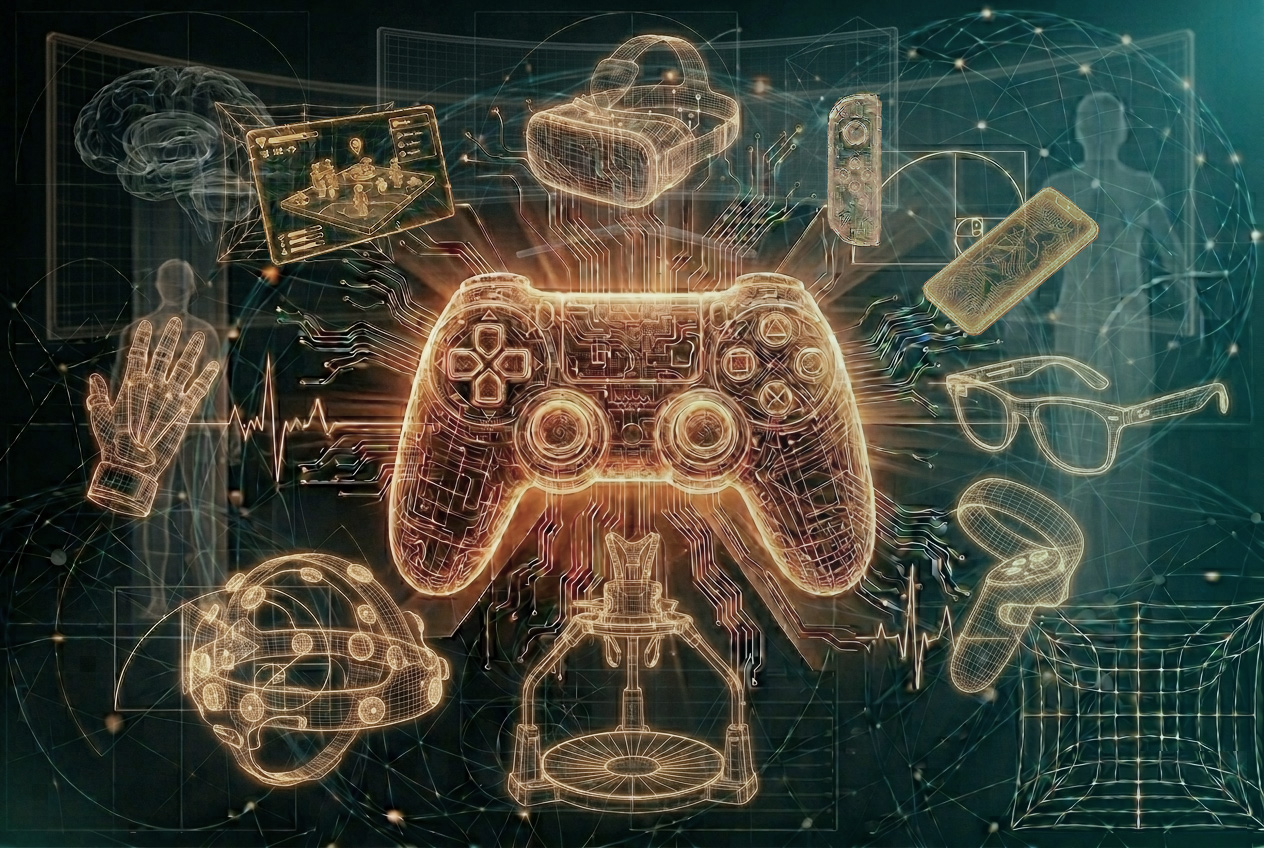
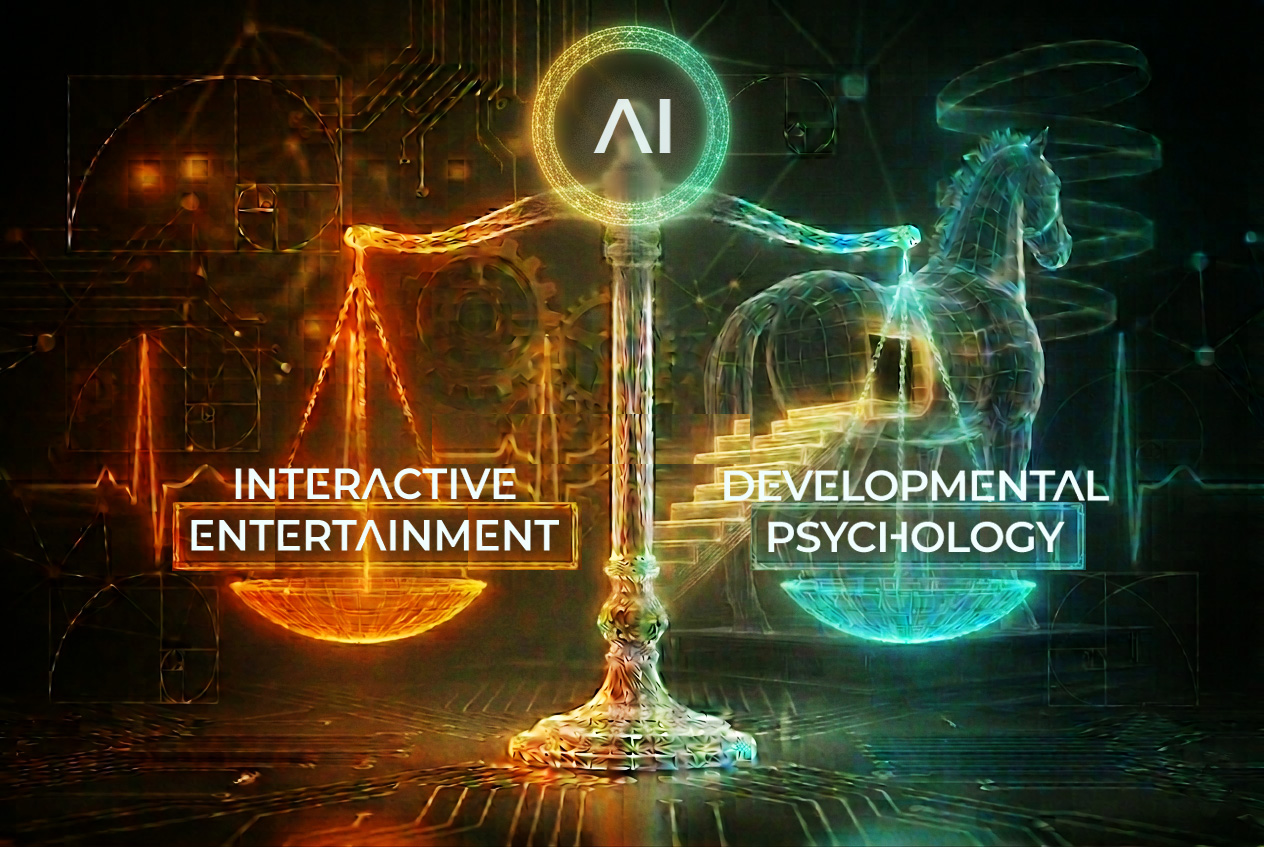
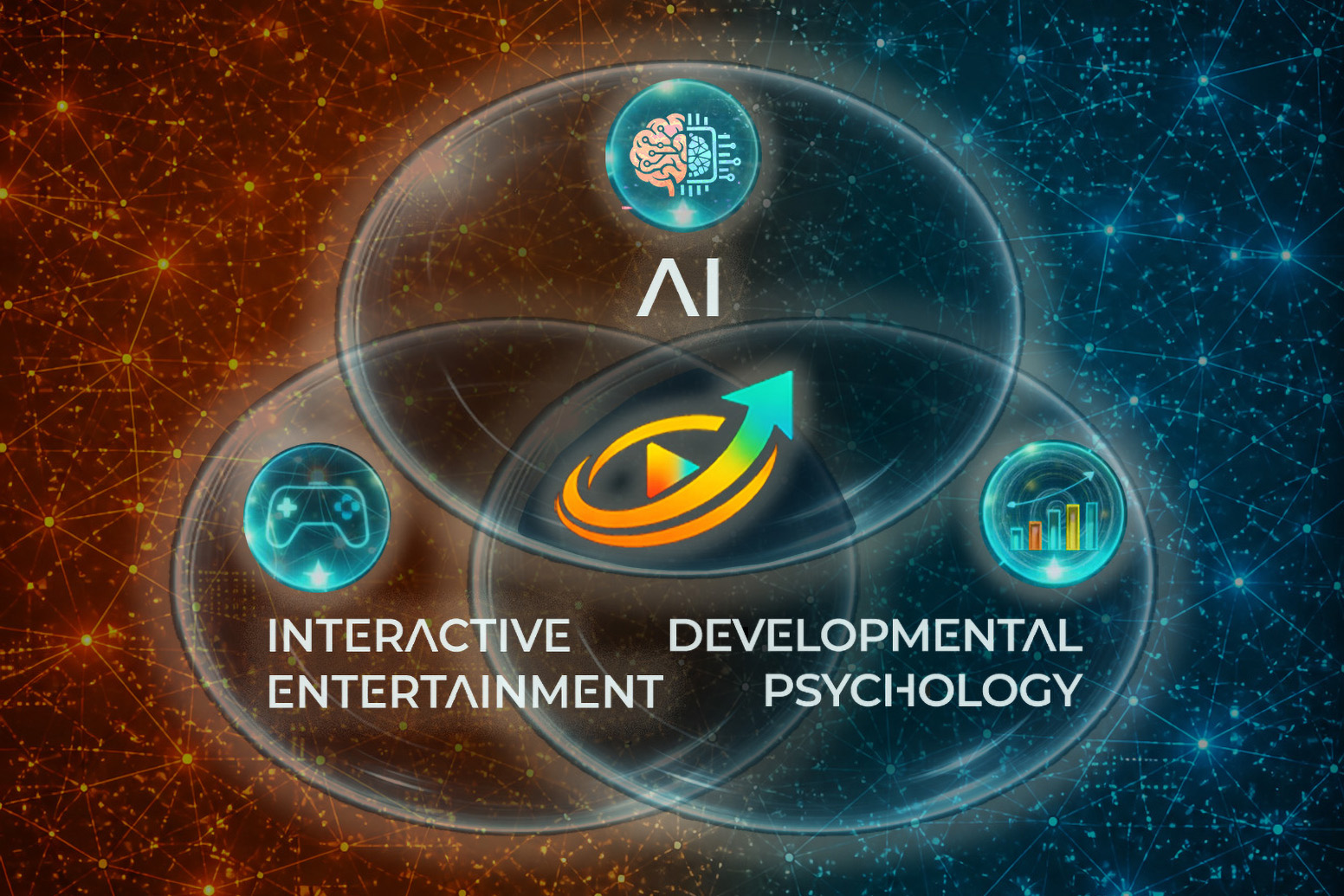
very few are approaching it cross-disciplinarily. At least not the way 𝗣𝗿𝗲𝘀𝘀 𝗣𝗹𝗮𝘆 𝘁𝗼 𝗚𝗿𝗼𝘄! is proposing - bridging 𝗔𝗜, 𝗶𝗻𝘁𝗲𝗿𝗮𝗰𝘁𝗶𝘃𝗲 𝗲𝗻𝘁𝗲𝗿𝘁𝗮𝗶𝗻𝗺𝗲𝗻𝘁,
and 𝗱𝗲𝘃𝗲𝗹𝗼𝗽𝗺𝗲𝗻𝘁𝗮𝗹 𝗽𝘀𝘆𝗰𝗵𝗼𝗹𝗼𝗴𝘆 as a unified response.--But for now - what do YOU think is the biggest gap between technology and humanity right now?▷ 𝗪𝗲'𝗿𝗲 𝗿𝘂𝗻𝗻𝗶𝗻𝗴 𝗮 𝘀𝗵𝗼𝗿𝘁 𝟱-𝘁𝗼-𝟳 𝗺𝗶𝗻𝘂𝘁𝗲 𝘀𝘂𝗿𝘃𝗲𝘆 𝗲𝘅𝗽𝗹𝗼𝗿𝗶𝗻𝗴 𝗲𝘅𝗮𝗰𝘁𝗹𝘆 𝘁𝗵𝗶𝘀 𝗴𝗮𝗽. 𝗬𝗼𝘂𝗿 𝗽𝗲𝗿𝘀𝗽𝗲𝗰𝘁𝗶𝘃𝗲 𝗺𝗮𝘁𝘁𝗲𝗿𝘀 - 𝘁𝗮𝗸𝗲 𝗶𝘁 𝗵𝗲𝗿𝗲: https://lnkd.in/gjNFGfPzMore info at PressPlaytoGrow.com--𝗖𝗼𝗺𝗶𝗻𝗴 𝗻𝗲𝘅𝘁 𝗶𝗻 𝗧𝗵𝗲 𝗡𝗮𝘁𝘂𝗿𝗮𝗹 𝗛𝘂𝗺𝗮𝗻 𝗨𝗽𝗴𝗿𝗮𝗱𝗲 𝗦𝗲𝗿𝗶𝗲𝘀
𝗔𝗿𝘁𝗶𝗰𝗹𝗲 𝟮 𝗼𝗳 𝟯 - 𝗧𝗵𝗲 𝗩𝗲𝗵𝗶𝗰𝗹𝗲
𝗔𝗿𝘁𝗶𝗰𝗹𝗲 𝟯 𝗼𝗳 𝟯 - 𝗧𝗵𝗲 𝗩𝗶𝘀𝗶𝗼𝗻




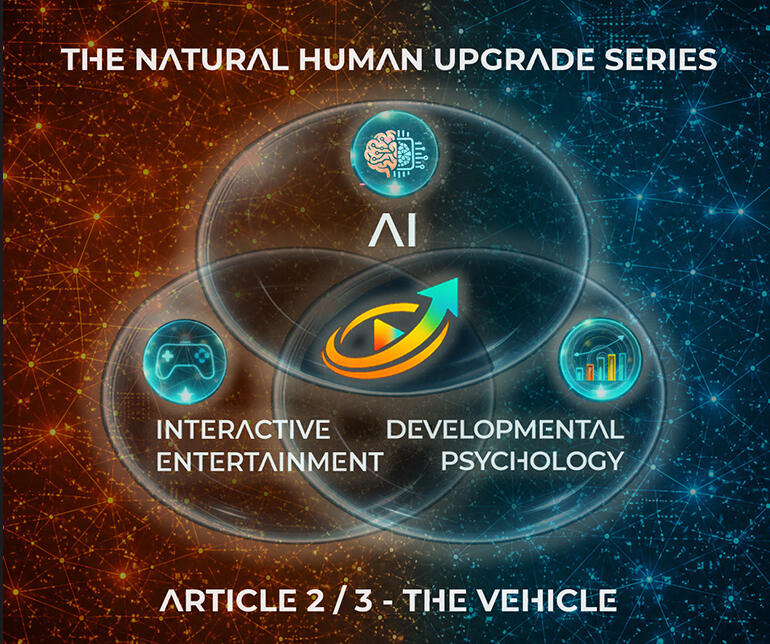

The Natural Human Upgrade Series
Article 2/3 - The Vehicle
The Answer Was Hiding in Plain Sight

𝗪𝗵𝗮𝘁 𝗶𝗳 𝘁𝗵𝗲 𝗺𝗼𝘀𝘁 𝗽𝗼𝘄𝗲𝗿𝗳𝘂𝗹 𝘃𝗲𝗵𝗶𝗰𝗹𝗲 𝗳𝗼𝗿 𝗵𝘂𝗺𝗮𝗻 𝗱𝗲𝘃𝗲𝗹𝗼𝗽𝗺𝗲𝗻𝘁 𝗵𝗮𝘀 𝗯𝗲𝗲𝗻 𝗵𝗶𝗱𝗶𝗻𝗴 𝗶𝗻 𝗽𝗹𝗮𝗶𝗻 𝘀𝗶𝗴𝗵𝘁 - 𝗶𝗻𝘀𝗶𝗱𝗲 𝘁𝗵𝗲 𝗴𝗮𝗺𝗲𝘀 𝗮𝗻𝗱 𝗶𝗻𝘁𝗲𝗿𝗮𝗰𝘁𝗶𝘃𝗲 𝗲𝗻𝘁𝗲𝗿𝘁𝗮𝗶𝗻𝗺𝗲𝗻𝘁 𝗲𝘅𝗽𝗲𝗿𝗶𝗲𝗻𝗰𝗲𝘀 𝘄𝗲 𝗮𝗹𝗿𝗲𝗮𝗱𝘆 𝗹𝗼𝘃𝗲?This doesn't replace therapy, education or coaching - it complements them and reaches people they often can't. Interactive entertainment
can deliver growth at scale across multiple lines of intelligence - to people who play every day but would never walk into a therapist's office.𝗪𝗵𝘆 𝗜𝗻𝘁𝗲𝗿𝗮𝗰𝘁𝗶𝘃𝗲 - 𝗮𝗻𝗱 𝗡𝗼𝘁 𝗝𝘂𝘀𝘁 𝗘𝗻𝘁𝗲𝗿𝘁𝗮𝗶𝗻𝗺𝗲𝗻𝘁
Passive entertainment engages you. Interactive entertainment demands something more -
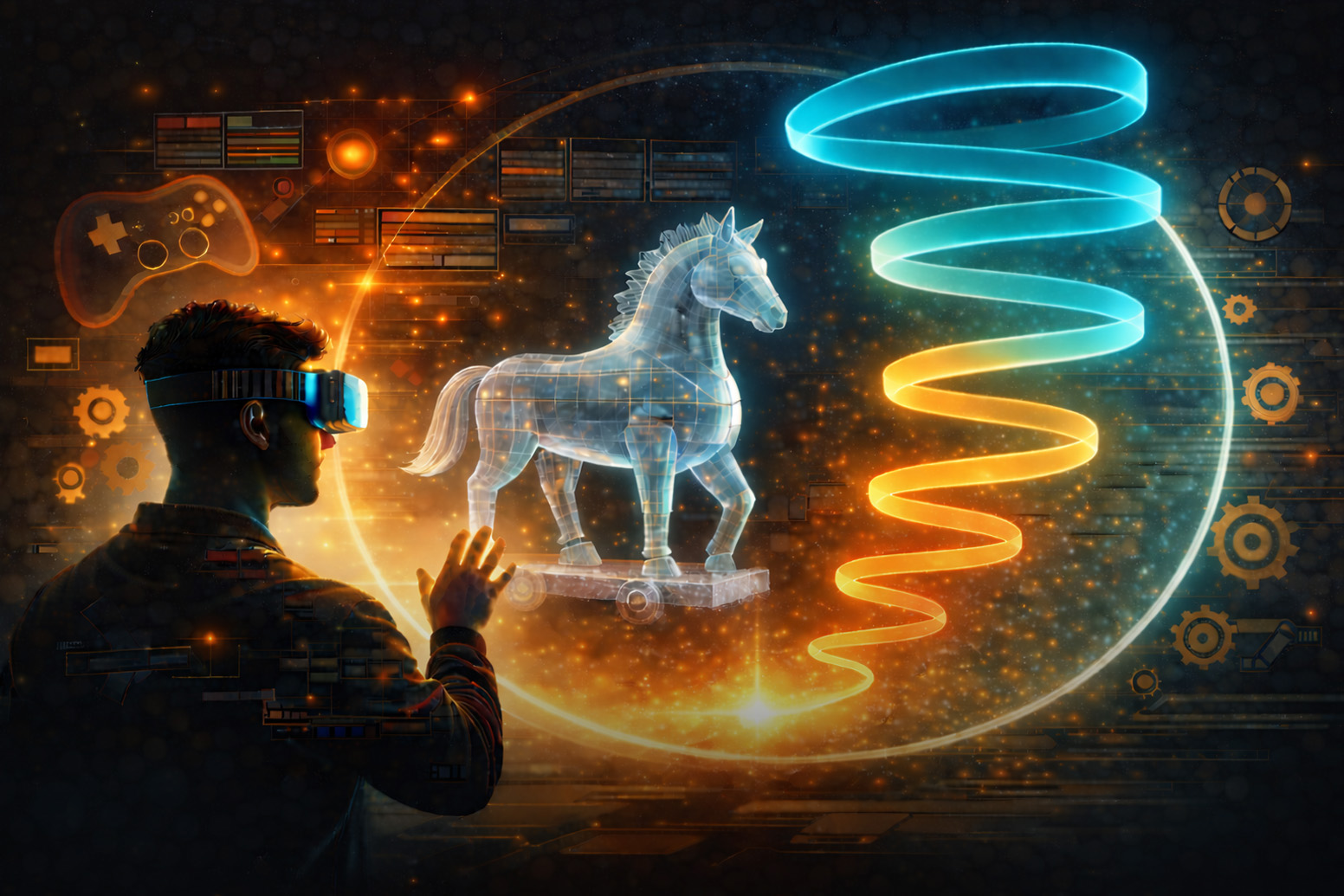
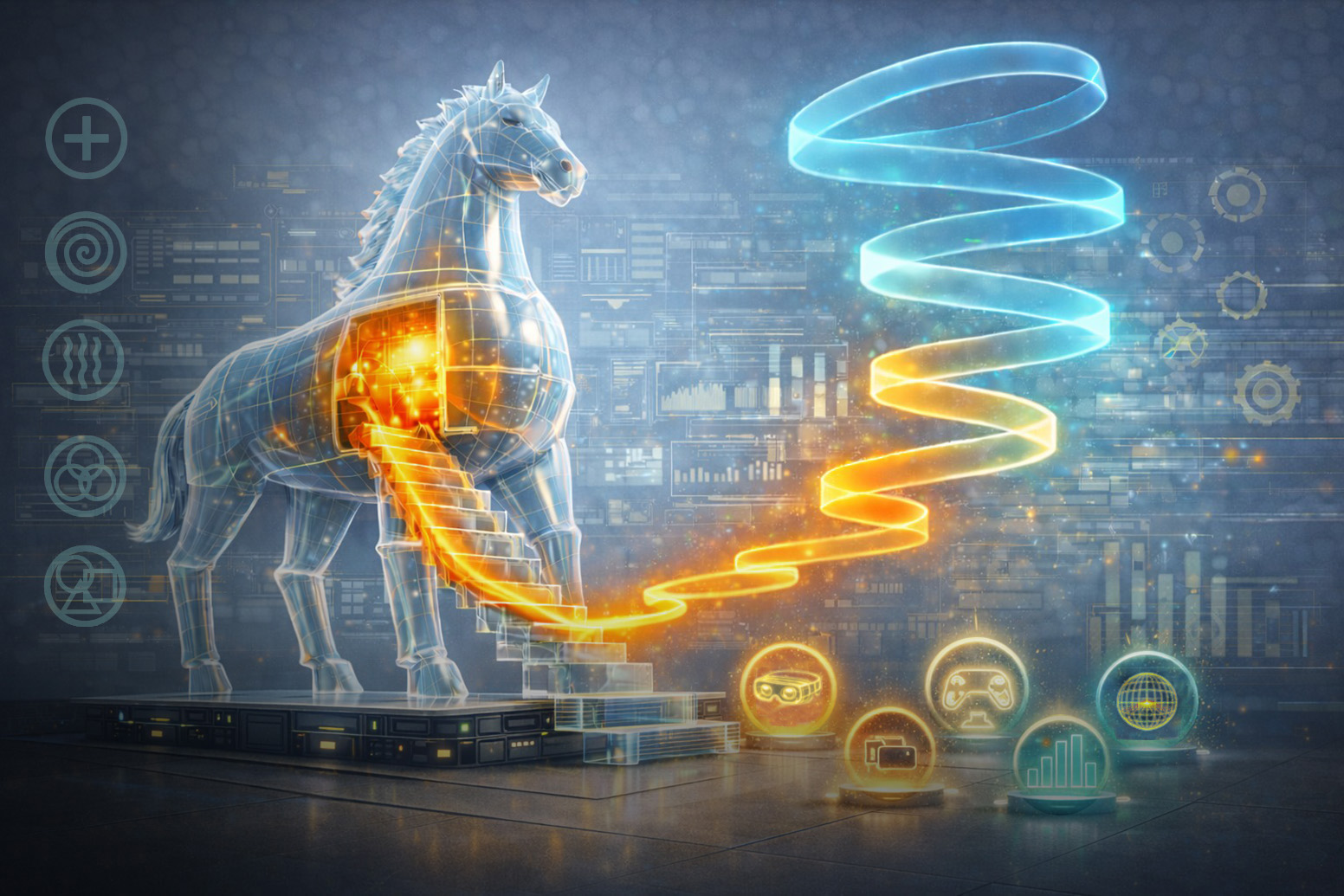
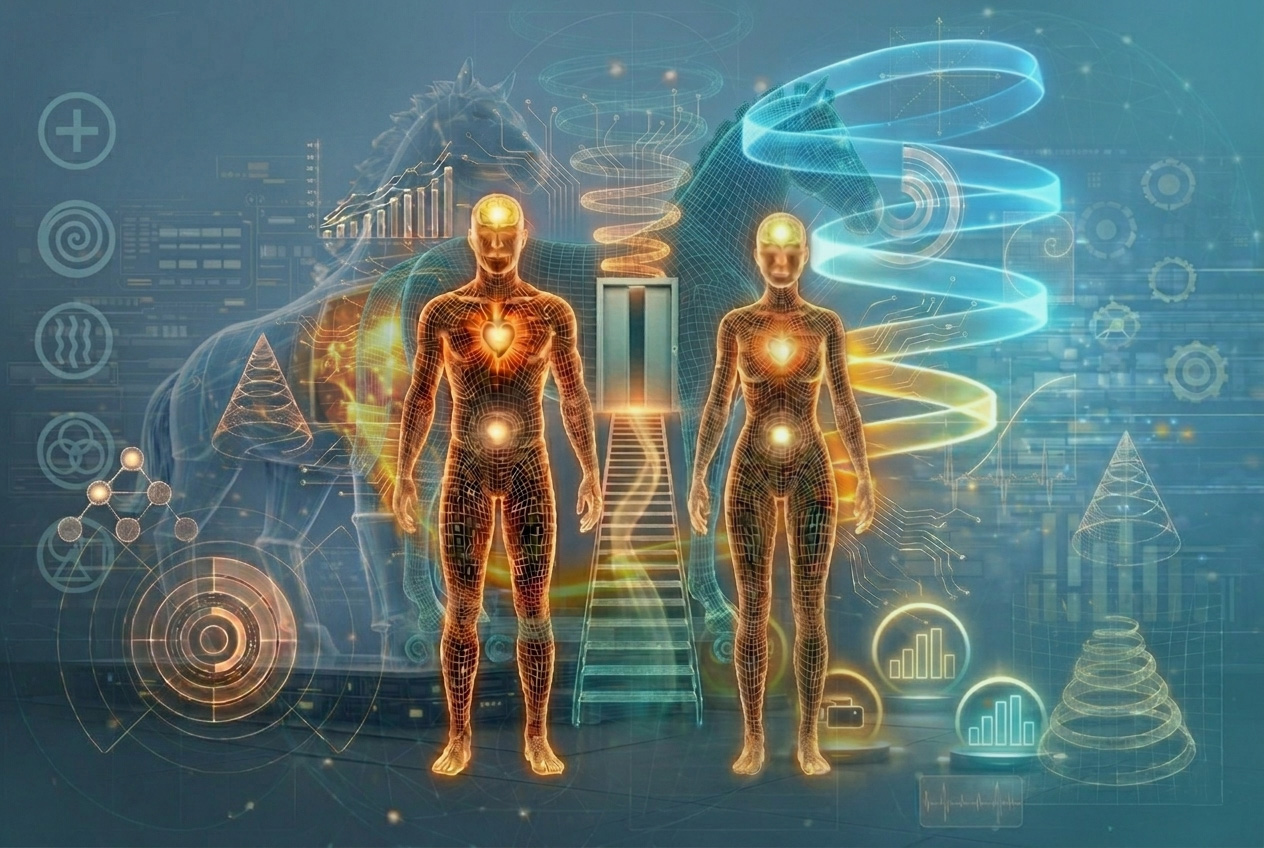
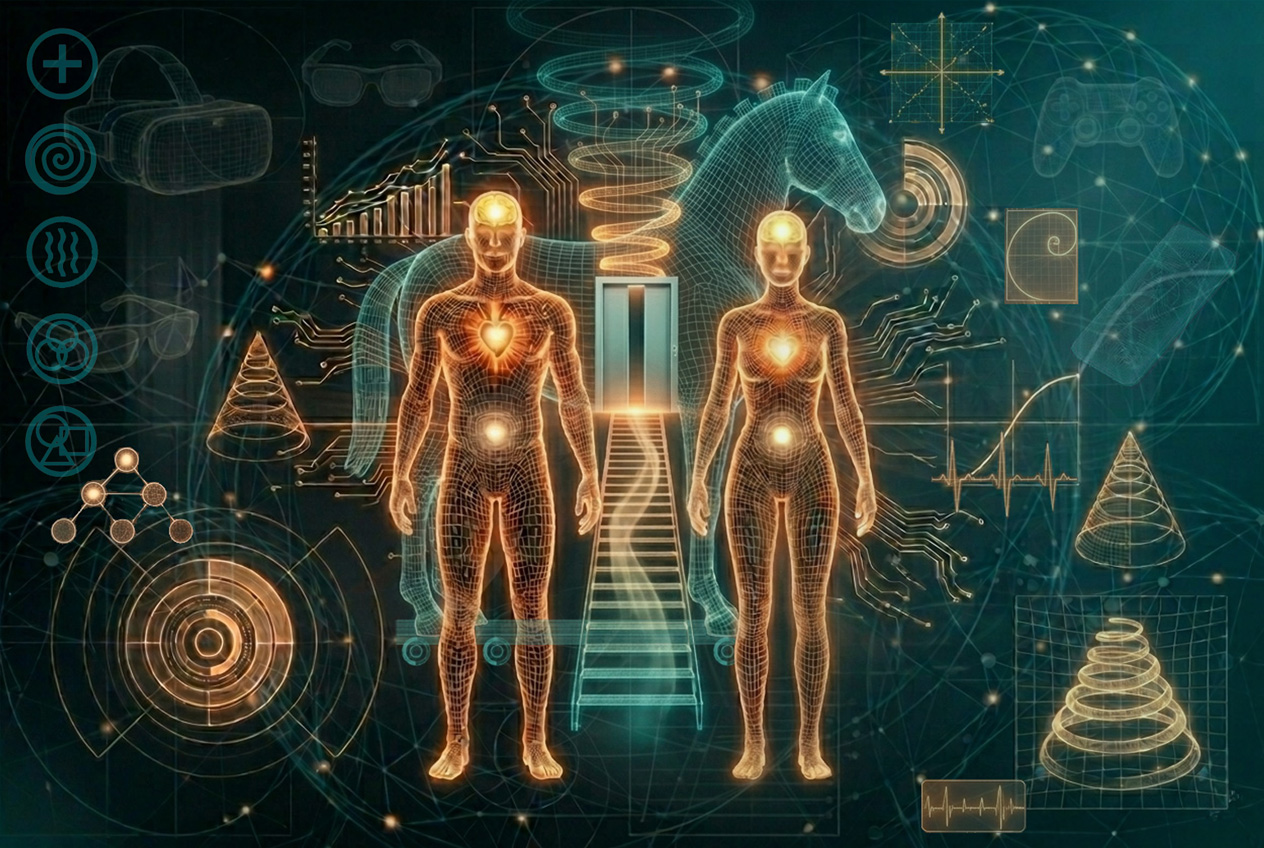
decisions, real-time responses, collaboration, failure, growth.𝗧𝗵𝗲 𝗧𝗿𝗼𝗷𝗮𝗻 𝗛𝗼𝗿𝘀𝗲 𝗔𝗽𝗽𝗿𝗼𝗮𝗰𝗵
Press Play to Grow! embeds developmental outcomes so naturally within the experience that growth becomes a seamless collateral effect of play -
not the explicit goal the player pursues. A positive and proactive Trojan Horse - hiding a real gift: To Grow. To develop one's own innate potentials.
The player doesn't feel developed. They feel engaged. And yet they grow.𝗔𝗜 𝗮𝘀 𝘁𝗵𝗲 𝗠𝗲𝘁𝗮-𝗙𝗿𝗮𝗺𝗲𝘄𝗼𝗿𝗸 - 𝗗𝗲𝘃𝗲𝗹𝗼𝗽𝗺𝗲𝗻𝘁𝗮𝗹 𝗣𝘀𝘆𝗰𝗵𝗼𝗹𝗼𝗴𝘆 𝗮𝘀 𝘁𝗵𝗲 𝗖𝗼𝗺𝗽𝗮𝘀𝘀
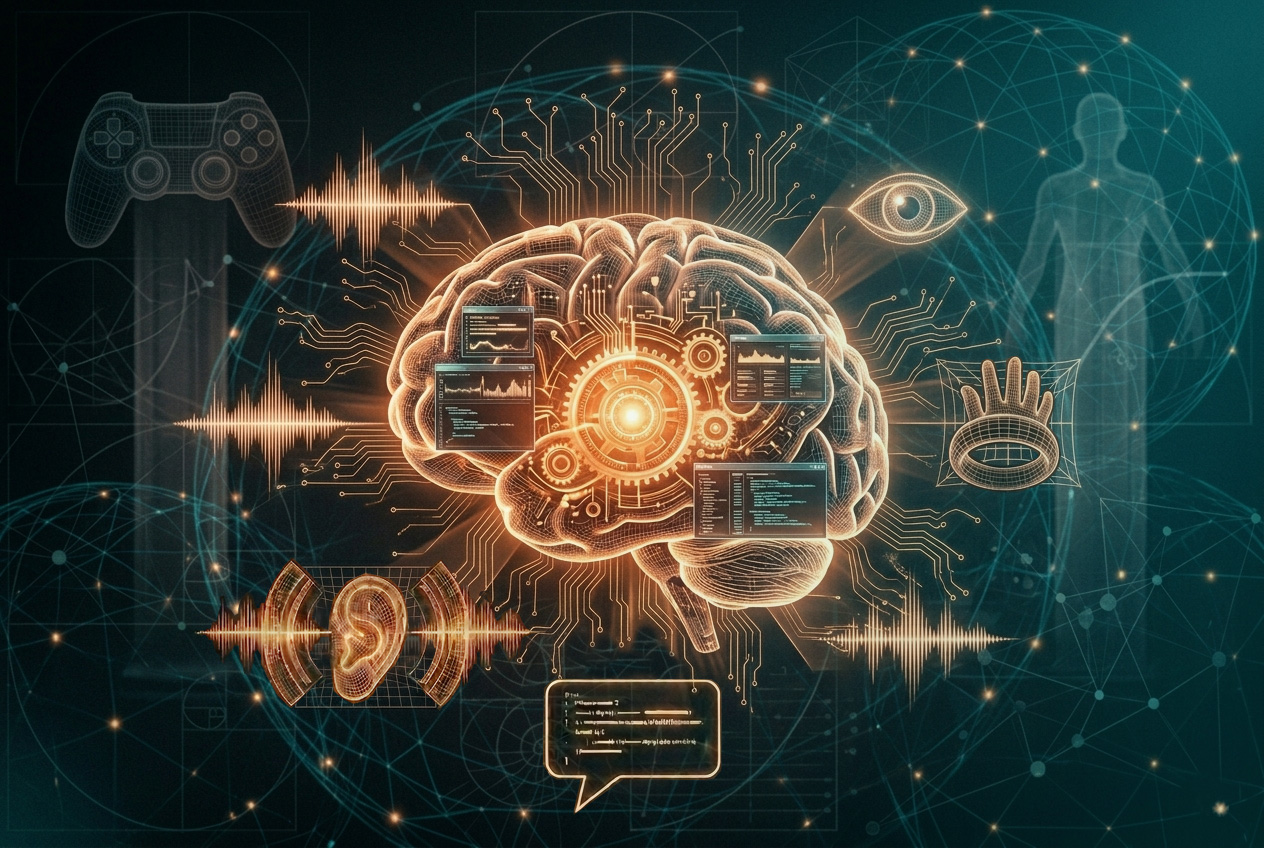
AI adapts the experience in real time to the individual player. Developmental psychology ensures those adjustments point toward genuine
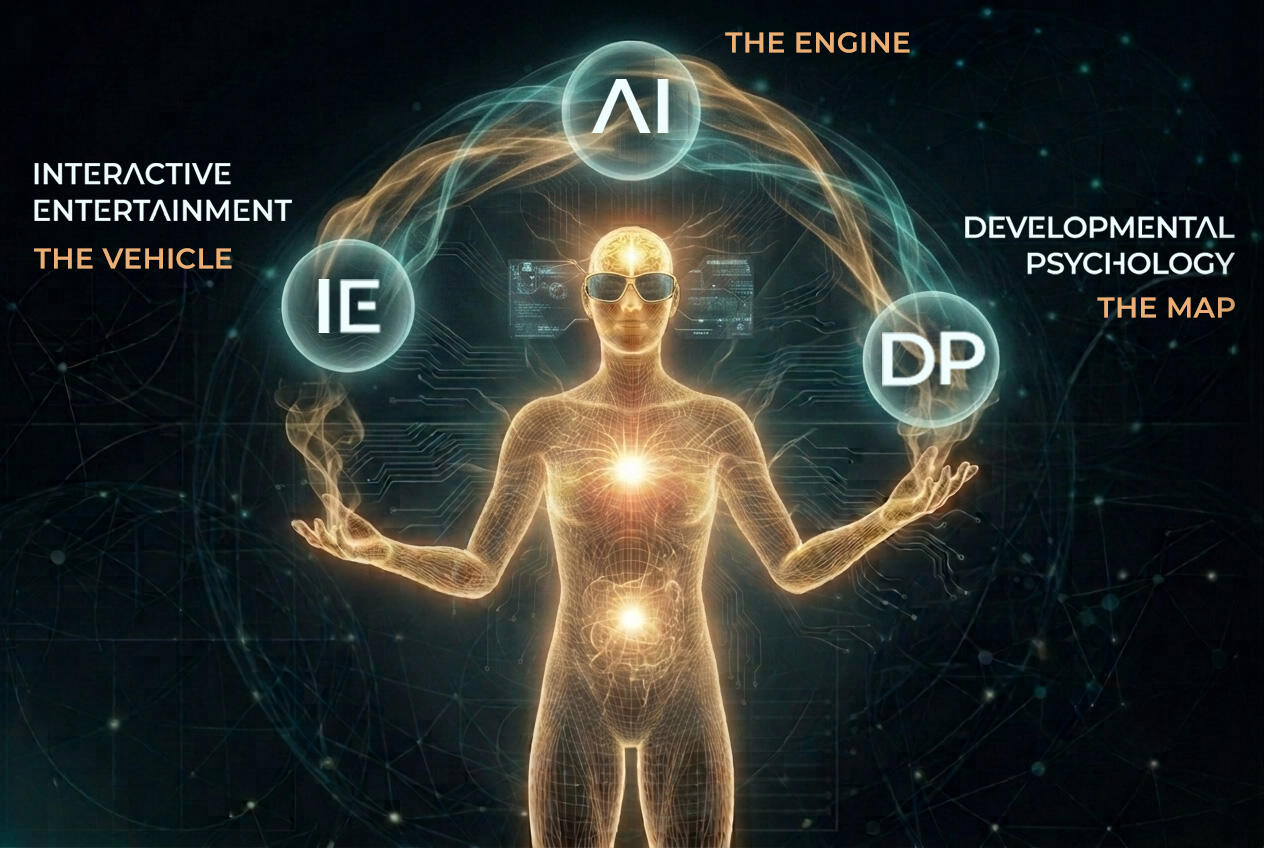
human growth. Without interactive entertainment as the vehicle, AI and developmental psychology remain powerful but abstract. Together -
through play - they become something a human being actually wants to engage with.𝗔 𝗗𝗼𝘂𝗯𝗹𝗲 𝗪𝗶𝗻 - 𝗜𝗻 𝗚𝗮𝗺𝗲, 𝗮𝗻𝗱 𝗜𝗻 𝗟𝗶𝗳𝗲
Interactive entertainment powered by AI and grounded in developmental psychology offers a living practice space - where players rehearse
emotional regulation, ethical decision-making and empathy in scenarios mirroring real life - without real-life consequences.
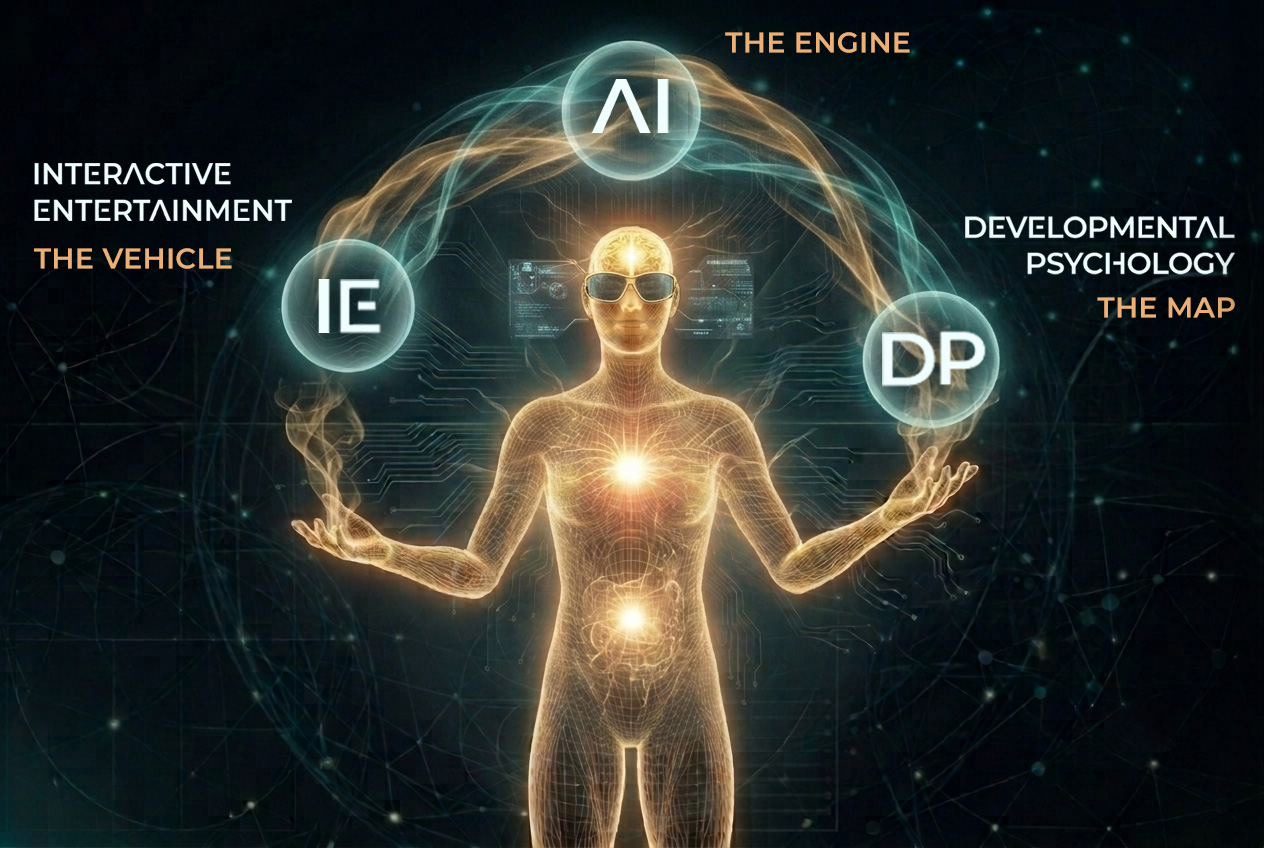
A double win - you play, you grow. In game, and in life.This is the synergistic convergence that 𝗣𝗿𝗲𝘀𝘀 𝗣𝗹𝗮𝘆 𝘁𝗼 𝗚𝗿𝗼𝘄! is proposing - AI as meta-framework, interactive entertainment as vehicle,
developmental psychology as the compass. Three fields almost nobody is connecting yet. Together they complete the equation.The gap is real. The vehicle exists. The technology is finally ready.
What role do you think interactive entertainment and AI could play in complementing existing approaches to human development?
Who needs this most?▷ 𝗪𝗲'𝗿𝗲 𝗿𝘂𝗻𝗻𝗶𝗻𝗴 𝗮 𝘀𝗵𝗼𝗿𝘁 𝟱-𝘁𝗼-𝟳 𝗺𝗶𝗻𝘂𝘁𝗲 𝘀𝘂𝗿𝘃𝗲𝘆. 𝗬𝗼𝘂𝗿 𝗽𝗲𝗿𝘀𝗽𝗲𝗰𝘁𝗶𝘃𝗲 𝗺𝗮𝘁𝘁𝗲𝗿𝘀:
https://lnkd.in/gjNFGfPzMore info at PressPlaytoGrow.com
𝗧𝗵𝗲 𝗡𝗮𝘁𝘂𝗿𝗮𝗹 𝗛𝘂𝗺𝗮𝗻 𝗨𝗽𝗴𝗿𝗮𝗱𝗲 𝗦𝗲𝗿𝗶𝗲𝘀 𝗔𝗿𝘁𝗶𝗰𝗹𝗲 𝟮/𝟯 - 𝗧𝗵𝗲 𝗩𝗲𝗵𝗶𝗰𝗹𝗲
𝗧𝗵𝗲 𝗔𝗻𝘀𝘄𝗲𝗿 𝗪𝗮𝘀 𝗛𝗶𝗱𝗶𝗻𝗴 𝗶𝗻 𝗣𝗹𝗮𝗶𝗻 𝗦𝗶𝗴𝗵𝘁Past: 𝗔𝗿𝘁𝗶𝗰𝗹𝗲 1 𝗼𝗳 𝟯 - 𝗧𝗵𝗲 Map
**𝗖𝗼𝗺𝗶𝗻𝗴 𝗻𝗲𝘅𝘁 𝗶𝗻 𝗧𝗵𝗲 𝗡𝗮𝘁𝘂𝗿𝗮𝗹 𝗛𝘂𝗺𝗮𝗻 𝗨𝗽𝗴𝗿𝗮𝗱𝗲 𝗦𝗲𝗿𝗶𝗲𝘀:
** 𝗔𝗿𝘁𝗶𝗰𝗹𝗲 𝟯 𝗼𝗳 𝟯 - 𝗧𝗵𝗲 𝗩𝗶𝘀𝗶𝗼𝗻




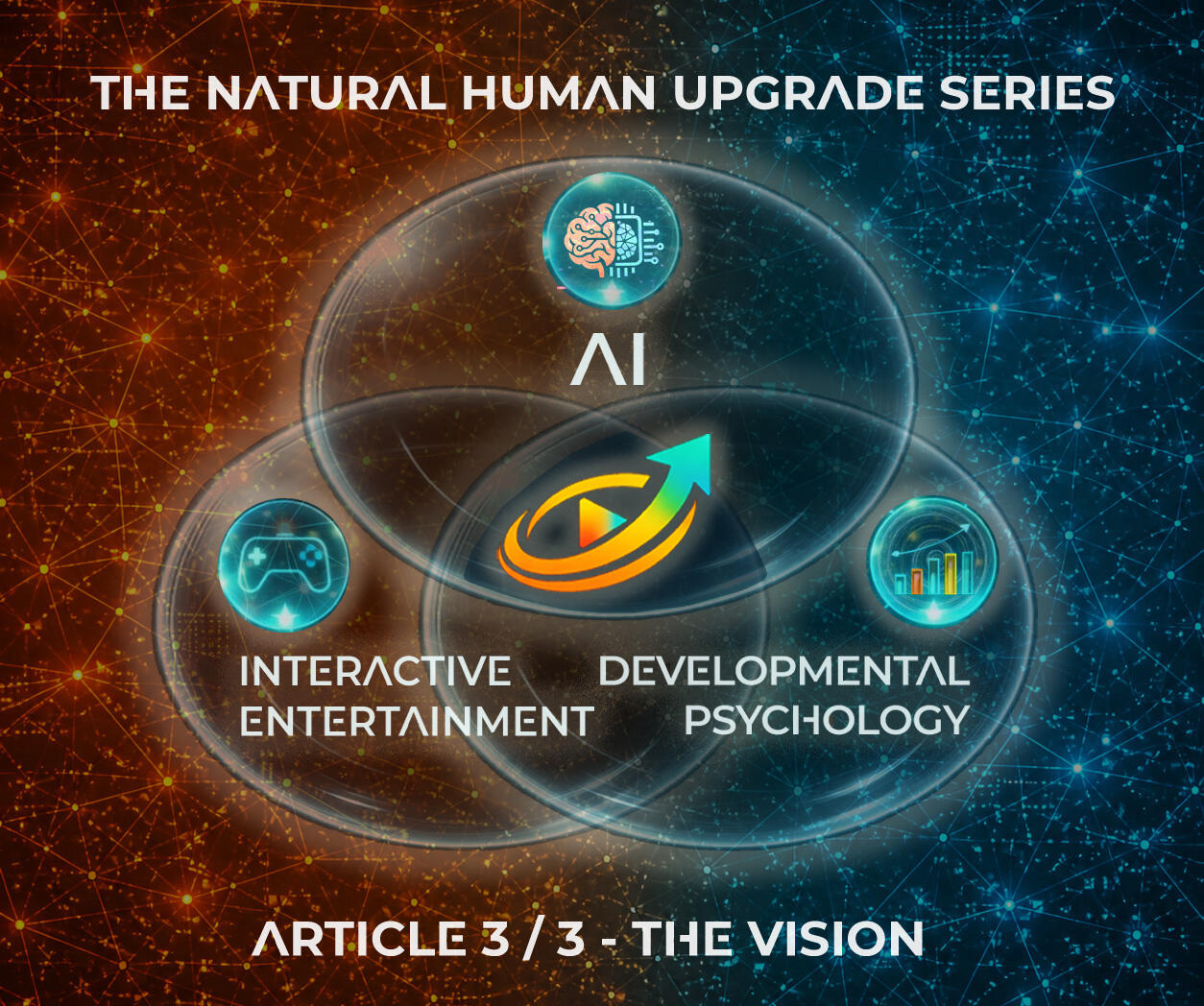

The Natural Human Upgrade Series
Article 3/3 - The Vision
What If We Actually Got This Right?

In Article 1 we named the gap. Technology is evolving faster than the humans using it. The human being itself may be the bottleneck.In Article 2 we proposed the vehicle. Interactive entertainment - powered by AI & guided by developmental psychology - as a Trojan Horse for human growth. Invisible. Joyful. At scale.𝗡𝗼𝘄 𝗰𝗼𝗺𝗲𝘀 𝘁𝗵𝗲 𝗵𝗮𝗿𝗱𝗲𝗿 𝗾𝘂𝗲𝘀𝘁𝗶𝗼𝗻. 𝗧𝗵𝗲 𝗾𝘂𝗲𝘀𝘁𝗶𝗼𝗻 𝘁𝗵𝗮𝘁 𝗺𝗮𝘁𝘁𝗲𝗿𝘀 𝗺𝗼𝘀𝘁.What would it actually look like if we got this right?
_________▷ We're running a short 5-7 min survey exploring exactly this gap. Your perspective matters: https://lnkd.in/gjNFGfPz
_________Imagine a world where the games people already play are quietly & invisibly developing them. Not because someone told them to grow, but because the experience was intentionally designed with the precision of 𝗱𝗲𝘃𝗲𝗹𝗼𝗽𝗺𝗲𝗻𝘁𝗮𝗹 𝗽𝘀𝘆𝗰𝗵𝗼𝗹𝗼𝗴𝘆's assessments & frameworks, the personalization of 𝗔𝗜, & the sheer joy of 𝗽𝗹𝗮𝘆 aided by the magic of 𝗳𝗹𝗼𝘄 - to meet them exactly where they are & nudge them forward.
A double win - you play, you grow.▷ The Individual DimensionThis doesn't replace therapy, education, or coaching. It can complement them - & reach people they often can't. Not everyone has access to a therapist or coach - whether due to financial barriers, cultural bias, or resistance to formal help. Interactive entertainment can deliver growth at scale to people who play often but would never otherwise seek it out.
For those already in therapy or working with a coach - play extends the work between sessions. Play changes that equation.
Engaging in a developmentally designed experience - powered by AI - brings the game to a new level. Literally.▷ The Collective DimensionThe vision doesn't stop at the individual. The complexity of the world we've built is outpacing our collective capacity to navigate it. Not our technology. Us. Experiences designed for perspective-taking, holding complexity & finding common ground - at a civilizational scale, across cultures, societies & beliefs.𝗣𝗿𝗲𝘀𝘀 𝗣𝗹𝗮𝘆 𝘁𝗼 𝗚𝗿𝗼𝘄! is a research initiative proposing that the synergistic convergence of AI, interactive entertainment & developmental psychology can create something the world has never had - a scalable, joyful, invisible infrastructure for catalyzing human development at both individual & collective levels. First proposed in 2008. Published in 2010. Today, AI makes it possible.If this resonates - I would love to hear from you.
_________▷ We're running a short 5-7 min survey exploring exactly this gap. Your perspective matters: https://lnkd.in/gjNFGfPz
_________Article 1 - The Gap | Article 2 - The Vehicle | Article 3 - The VisionPast 𝗶𝗻 𝗧𝗵𝗲 𝗡𝗮𝘁𝘂𝗿𝗮𝗹 𝗛𝘂𝗺𝗮𝗻 𝗨𝗽𝗴𝗿𝗮𝗱𝗲 𝗦𝗲𝗿𝗶𝗲𝘀:
𝗔𝗿𝘁𝗶𝗰𝗹𝗲 1 𝗼𝗳 𝟯 - 𝗧𝗵𝗲 Map
𝗔𝗿𝘁𝗶𝗰𝗹𝗲 𝟮 𝗼𝗳 𝟯 - 𝗧𝗵𝗲 𝗩𝗲𝗵𝗶𝗰𝗹𝗲
𝗔𝗿𝘁𝗶𝗰𝗹𝗲 𝟯 𝗼𝗳 𝟯 - 𝗧𝗵𝗲 𝗩𝗶𝘀𝗶𝗼𝗻

Magazine Articles
Coverage Conferences - US Representative


Note: This article was originally published in MaxRender Magazine (Brazil) - a publication focused on computer graphics and digital design.
The perspective here reflects that context, though the insights extend well beyond it.*

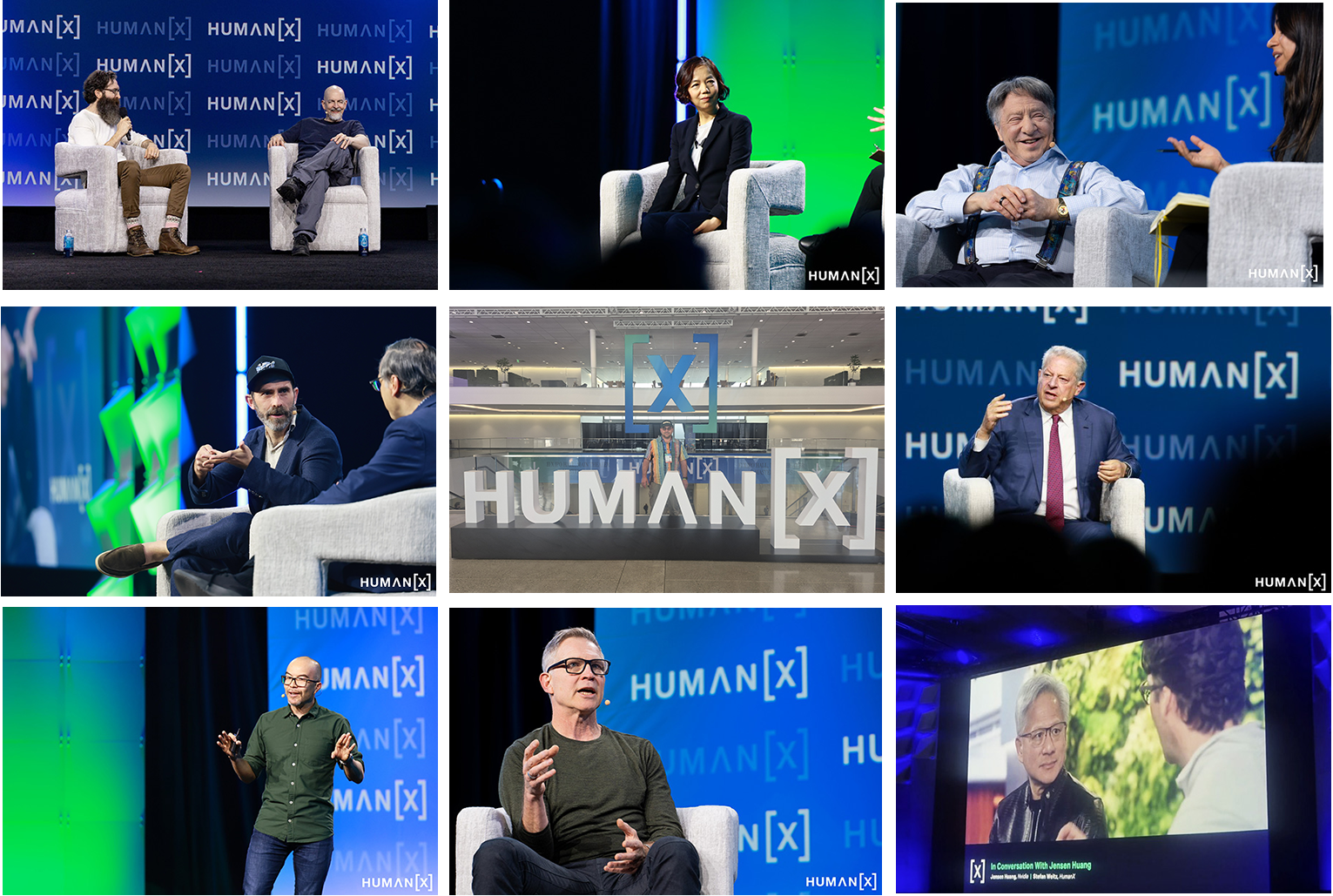

HUMAN [X] 2026 - San Francisco, CA, USA
HumanX 2026: World Models, AI and the
Silent Transformation of Computer Graphics


AI has stopped being just a tool and is beginning to simulate the world.
What happened at HumanX 2026 explains where this movement is heading
By Moses Silbiger · Updated April 28, 2026
The second edition of HumanX, held in San Francisco, consolidates the event as a new convergence point for the global artificial intelligence ecosystem. Bringing together researchers, founders, investors, and operators, the conference presented a broad overview of the transformations currently underway.
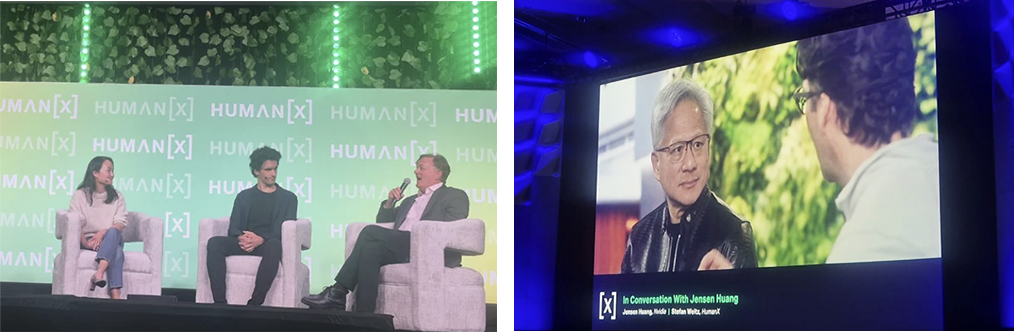
More than isolated announcements, the event revealed a structural shift:Artificial intelligence is moving beyond operating as a mere tool and beginning to approach systems that interact, perceive, and simulate the world.The relevance of HumanX is also reflected in the profile of its speakers and participants. The event brought together central figures in the artificial intelligence and technology ecosystem, including Ray Kurzweil (inventor, futurist, and AI pioneer), Al Gore (former U.S. Vice President and leader on technology, climate, and global policy), Emmett Shear (founder of Twitch and former interim CEO of OpenAI), Andy Konwinski (co-founder of Perplexity and Databricks), and Jaime Lien (co-founder and Chief Scientist of Archetype AI, working on perception systems and behavioral data), as well as an exclusive remote interview with Jensen Huang (founder and CEO of NVIDIA, global leader in computer graphics and AI).


Ray Kurzweil:AI pioneer discusses the future of technology
Al Gore:Technology, climate & governance in global perspective

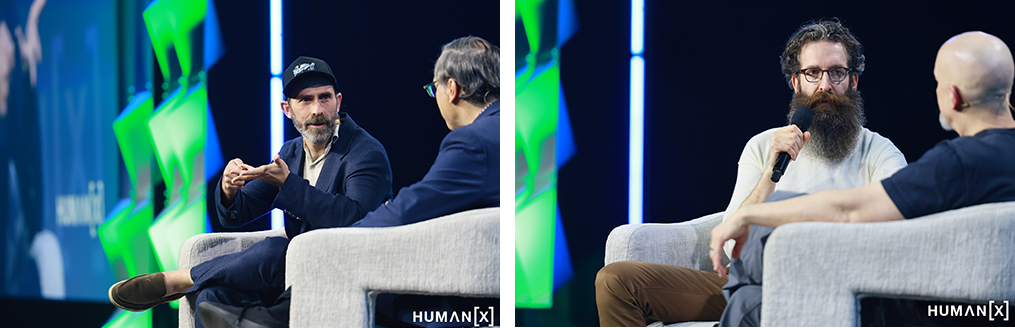
Emmett Shear:AI & human-centered adaptive systems
Andy Konwinski:Infrastructure & scale for the next generation of AI

Jaime Lien (L):Perception and behavioral data in AI
Jensen Huang (NVIDIA):Remote participation on the future of AI

For an event still in its early years, this concentration of influential voices demonstrates not only its growth, but the role it is beginning to play as a meeting point between technology, research, market, and culture - especially around artificial intelligence.
World Models: When AI Begins to Operate Within Environments


Fei-Fei Li panel on world models & the evolution of AI
toward real-world simulation (Panoramic view)

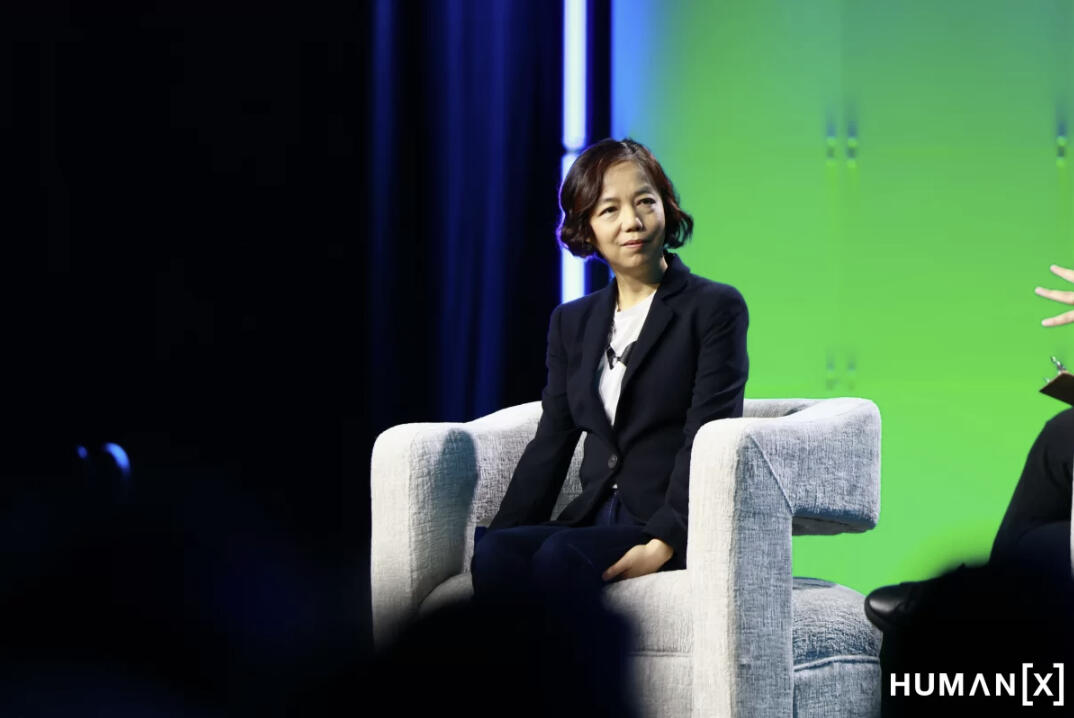
Fei-Fei Li panel on world models &the evolution of AI
toward real-world simulation (Detail)

The most relevant thread observed throughout the event was the advancement of so-called world models - models capable of representing,
predicting, and simulating states of the world.
The talk delivered by Fei-Fei Li* - also known as the "godmother of AI" - highlighted precisely this point: we are entering a phase in which AI
needs to understand not just data, but the dynamics of the real world.
At the helm of a company focused on perception and environmental modeling, her approach points in a clear direction: the next generation of AI
will be built from behavioral, spatial, and temporal data - not just text or images.
This represents a profound shift. If AI used to respond to commands, it is now beginning to operate within contexts.
And this brings these systems much closer to simulation engines and game engines than to traditional software tools.
For the world of computer graphics, this movement is particularly significant. 3D is no longer just visual representation -
it is becoming integrated into the very logic of intelligence itself.
*Fei-Fei Li - Computer scientist best known for establishing ImageNet, the dataset that enabled rapid advances in computer vision during the 2010s. Li is co-director of the Stanford
Institute for Human-Centered Artificial Intelligence and co-director of the Stanford Vision and Learning Lab.
Roblox: Interactivity, Community, and Alternative Models of Creation
*Fei-Fei Li - Computer scientist best known for establishing ImageNet, the dataset that enabled rapid advances in computer vision during the 2010s. Li is co-director of the Stanford
Institute for Human-Centered Artificial Intelligence and co-director of the Stanford Vision and Learning Lab.


David Baszucki, from Roblox, presents community-based
creation models & interactivity

Another point that drew attention was the presence and positioning of Roblox, presented by David Baszucki, founder and CEO of Roblox.
The platform stands out as a resilient model within the gaming industry. While AAA productions continue pushing the limits of hyper-realism -
one of the greatest technical and artistic goals of computer graphics - Roblox follows a distinct path, based on:
• Simpler graphics
• A strong user-generated content foundation
• A community-centered economy
The result is a platform that maintains consistent growth and broad engagement.
This does not diminish the importance of hyper-realism, which remains essential in areas such as film, visualization, simulation, and high-fidelity experiences.
However, the Roblox case demonstrates that the success of a digital experience also depends on accessibility, interactivity, and system dynamics.
More than a replacement, what we observe is an expansion of the field.
From Tools to Empowerment: Cameron Adams on Canva, AI, and the Future of Creativity

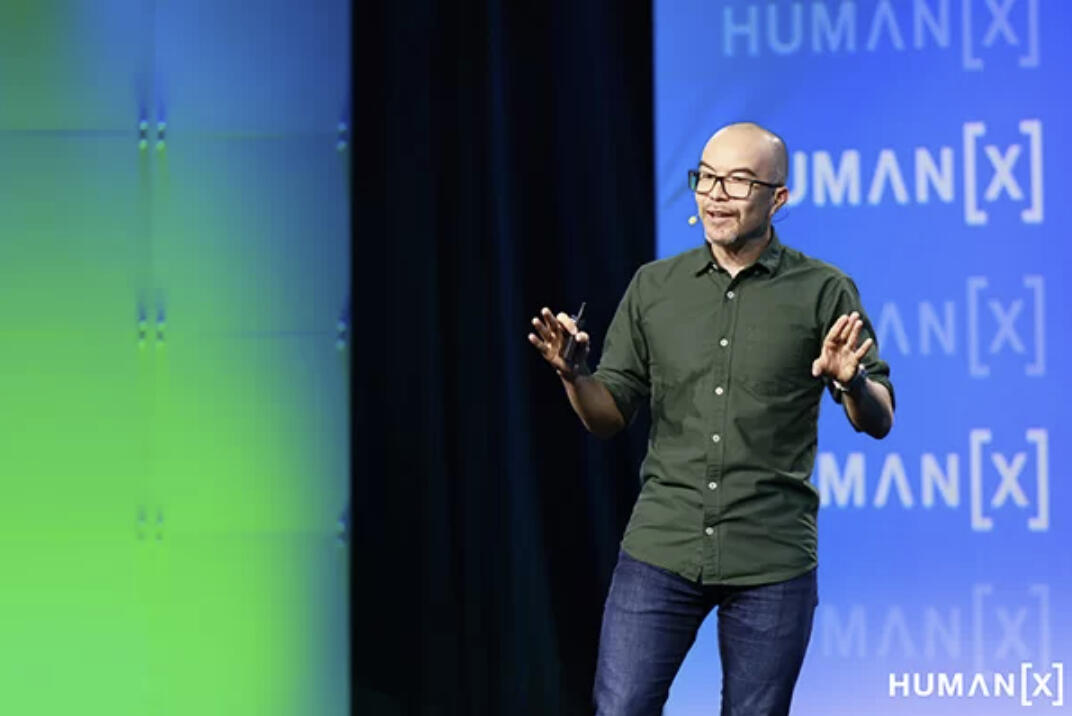
Cameron Adams, CPO of Canva, explores intent-based
& collaborative AI design

If on one hand HumanX pointed toward the evolution of AI in the direction of simulation, on the other it also became clear that the design field
is undergoing an equally profound transformation.
The presentation by Cameron Adams, co-founder and CPO of Canva, offered an essential counterpoint: creativity cannot be reduced
to a single prompt.
According to Adams, the biggest mistake when using AI in creative processes is removing the human element.
Creativity involves context, experimentation, failure, judgment, and collaboration - aspects that cannot be fully automated.
In this sense, Canva's proposal is not to replace the designer, but to expand their capabilities.
The platform is evolving from a design tool with AI to an AI platform with integrated design, where:
• Models understand complex visual structures
• They learn from brand history and identity
• They integrate into real workflows
One of the most relevant points is the idea that design is a continuous process, fed by data and refined over time.
XR and Interfaces: A Future Still Open

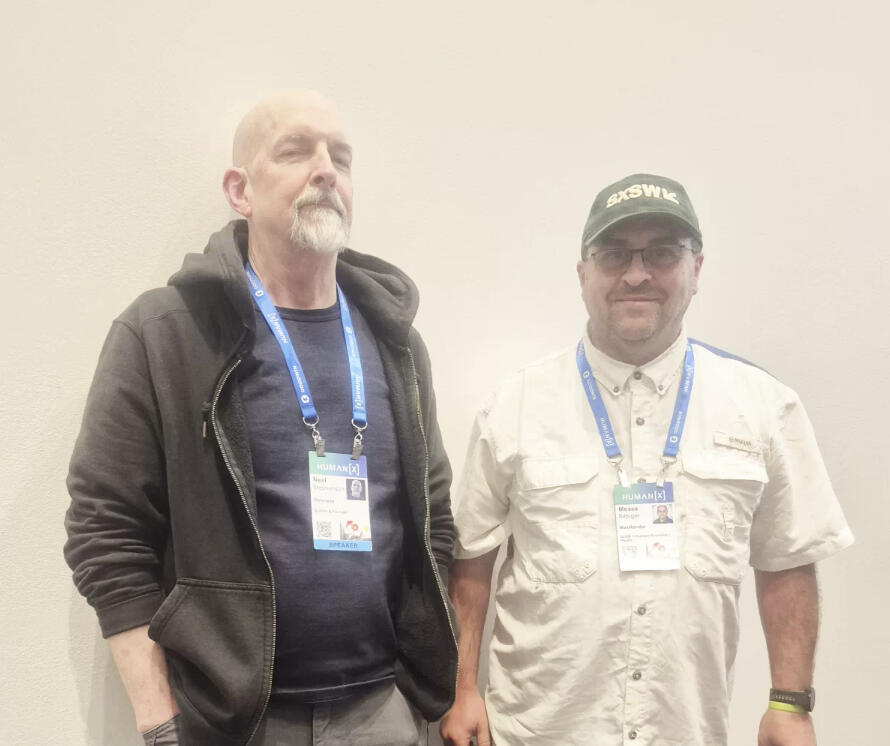
Author with Neal Stephenson during HumanX 2026

The discussion around immersive interfaces appeared indirectly but meaningfully. During interactions with Neal Stephenson - author of
the cyberpunk bestseller where he coined the term "metaverse" - an important point of tension emerged: even being responsible for popularizing
the concept, he did not use the term in his presentation and expressed skepticism toward the current headset-based XR model.
This suggests a disconnect between the concept and its current practical implementation. If the idea of immersive environments remains valid,
perhaps the devices are not yet in their ideal form - opening space for new approaches more integrated into everyday life.
Metaverse: From Hype to Implicit Infrastructure

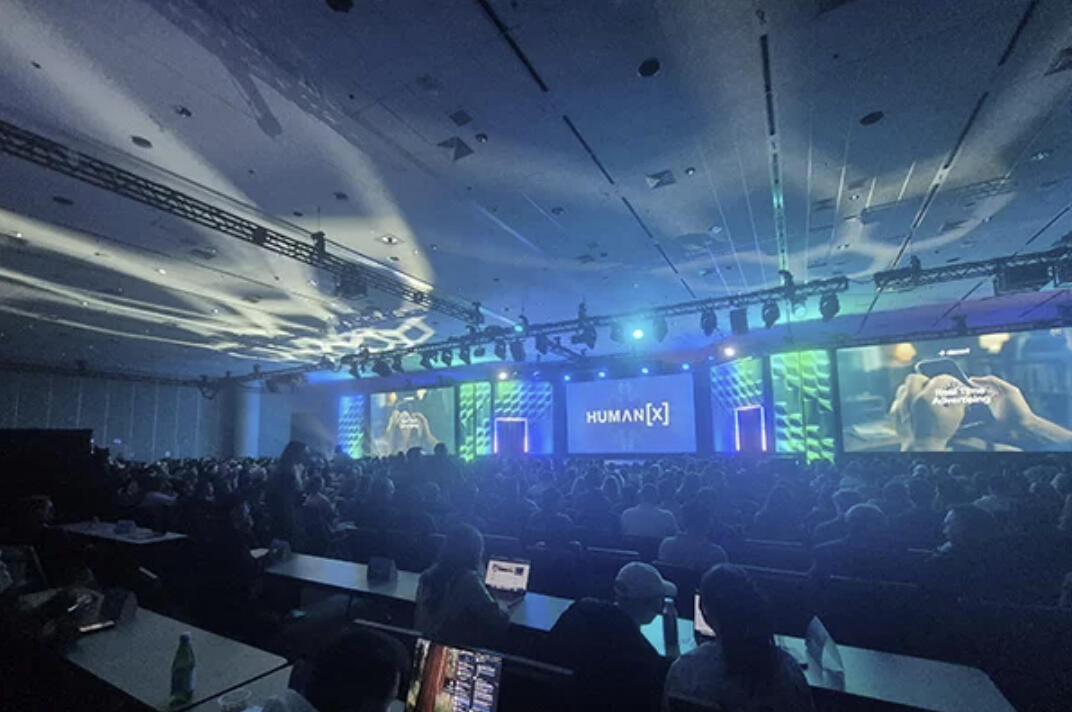
Sessions highlight the advancement of AI in simulation,
agents & environments

The absence of the term "metaverse" throughout the event does not indicate disappearance - but transformation. The concept appears to be absorbed into a more fundamental layer, where its elements operate in a distributed way:
• Simulation Agents
• Environments
• Interaction
The metaverse ceases to be an explicit goal and begins to emerge as a consequence of the convergence between these technologies.
What This Means for Computer Graphics Professionals

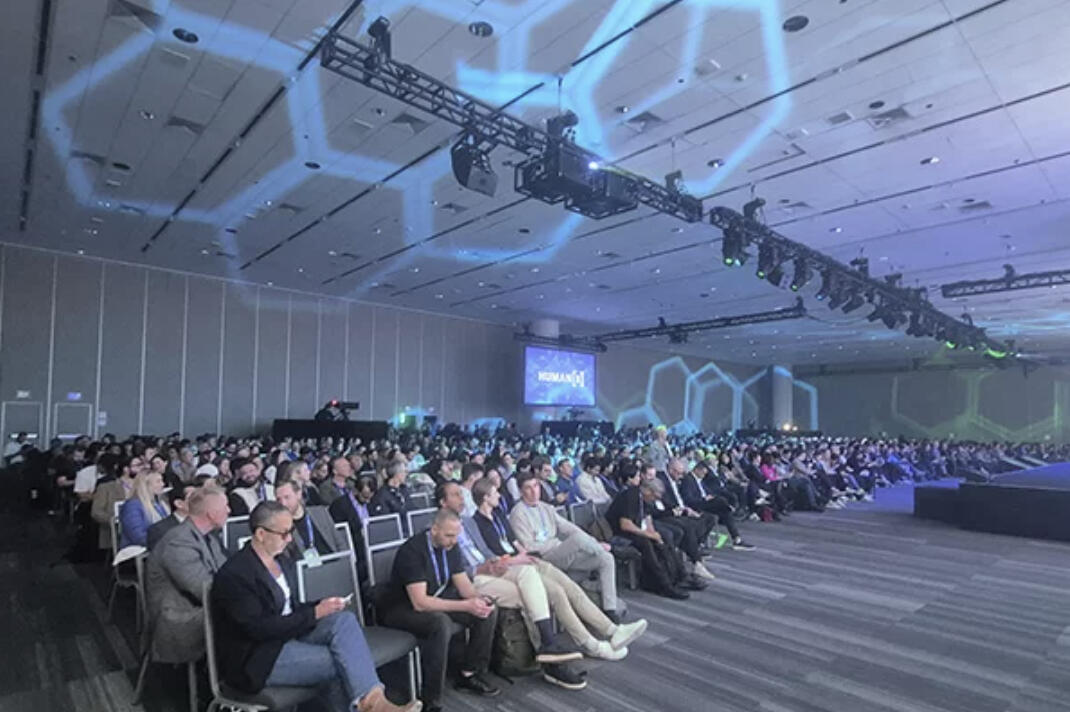
Diverse audience reflects the convergence between
technology, design, and business

Perhaps the most important insight from HumanX for computer graphics professionals is that the field is not contracting - it is expanding.
Today, multiple directions are possible:• Simulation & systems
• Interactive environments
• Real-time engines
• AI integration
• Visual creation & design
• AI-assisted tools
• Faster workflows
• Systems that learn from data
In this landscape, the most relevant professional tends to be one who can:
• Integrate AI into their creative process
• Work with greater efficiency
• Understand the role of design within larger systems
• Balance aesthetics, function, and context
More than choosing a specific area, the differentiating factor becomes the capacity for adaptation.
From the Conference to the Street: An Unexpected Encounter with Virtual Reality


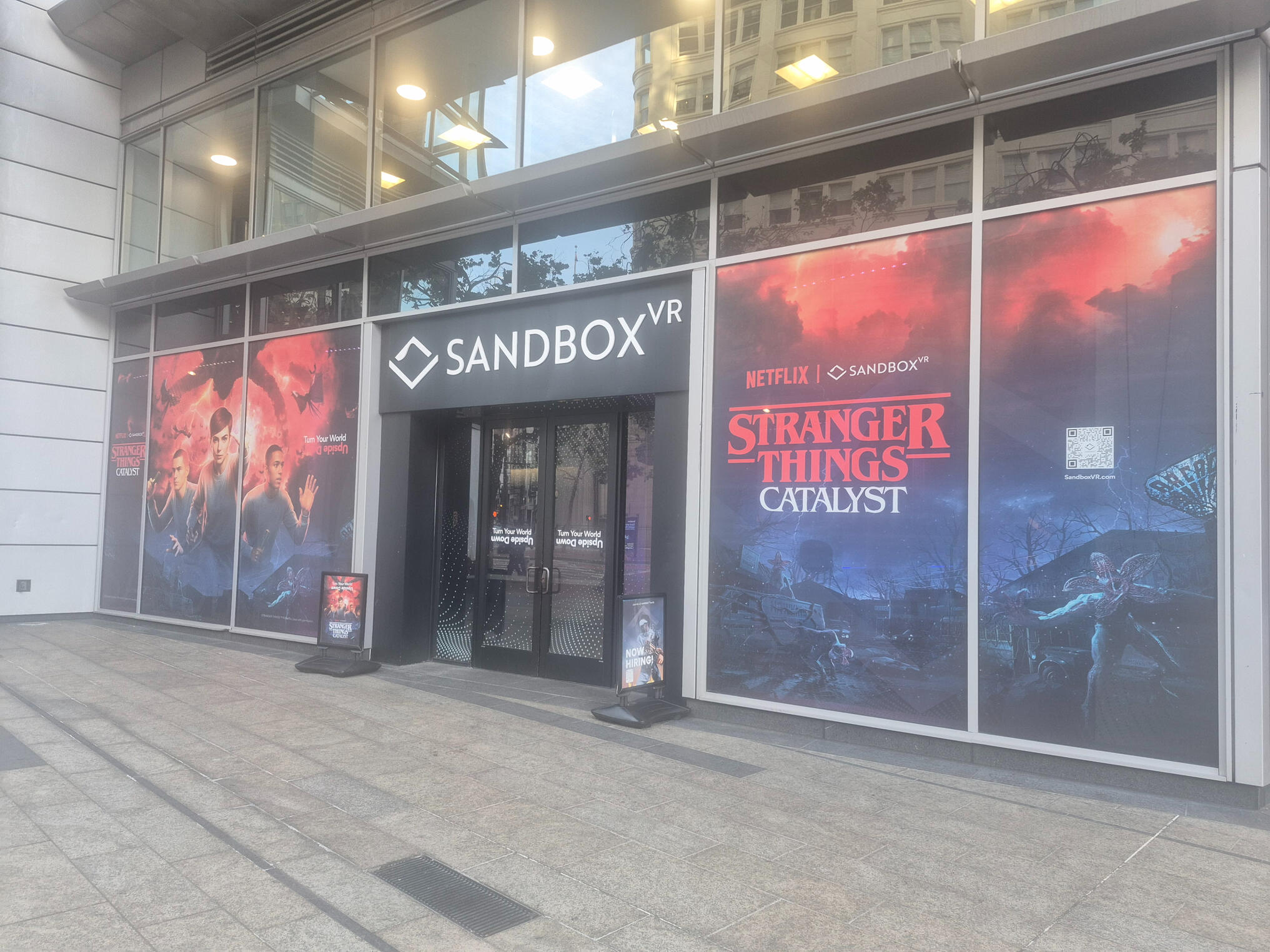

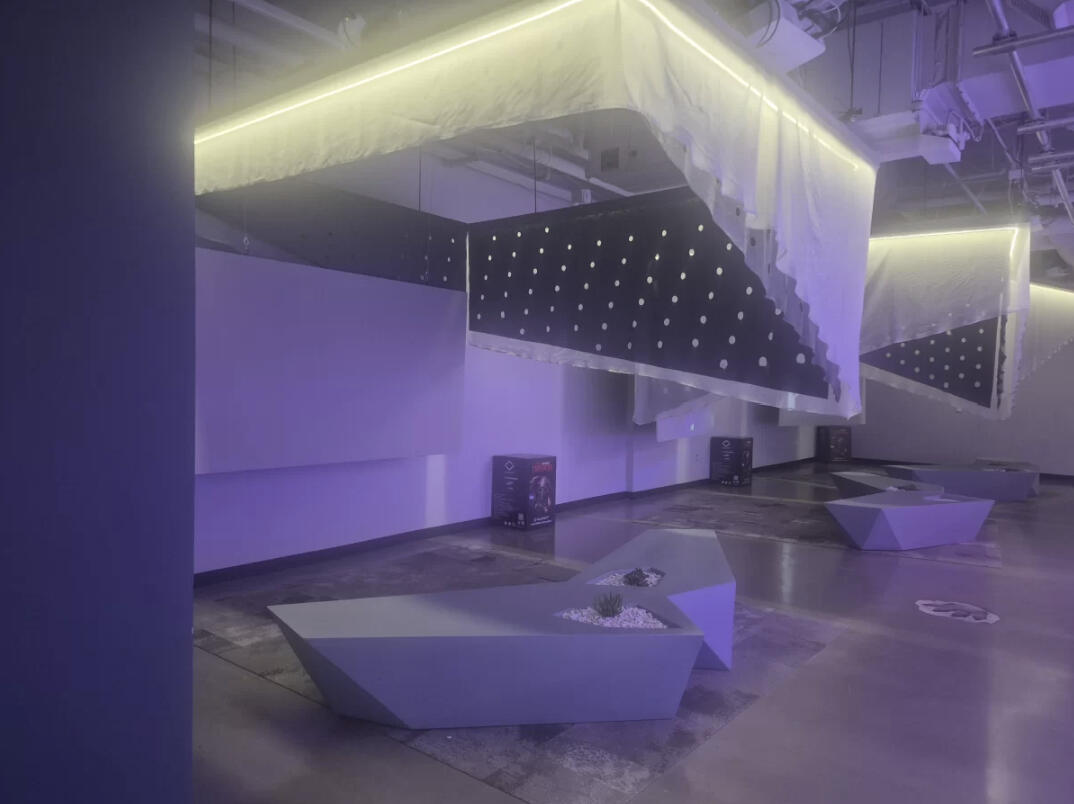
Sandbox VR unit in San Francisco, highlighting the presence of
immersive experiences in the urban environment (Facade & Interior)
Beyond the discussions inside the event, an interesting detail emerged outside the convention center. Just a few blocks from the venue,
in the heart of San Francisco, I came across a Sandbox VR unit - a space dedicated to immersive virtual reality experiences where groups
participate in collaborative games in digital environments.
This type of initiative, even if on a localized scale, signals how immersive technologies continue to explore pathways in the physical world -
not necessarily as dominant platforms, but as shared experiences that connect interaction, space, and presence.
Conclusion

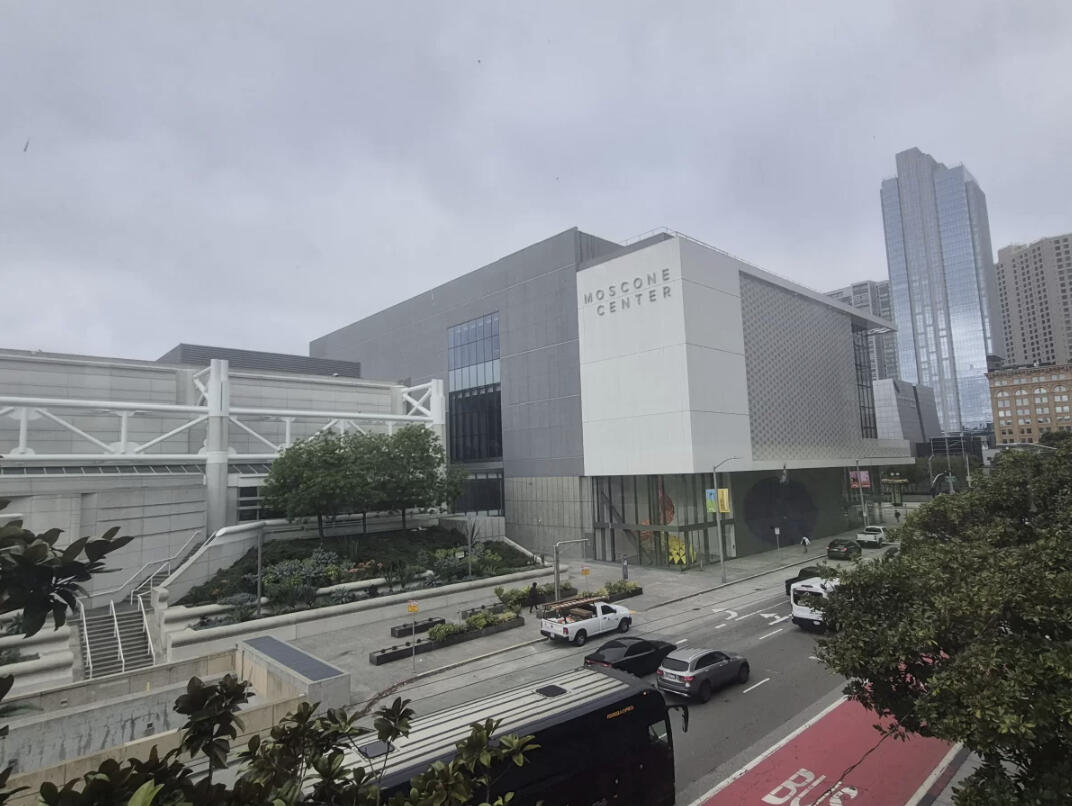
Moscone Center in San Francisco, venue for HumanX 2026


Fei-Fei Li panel in one of the main halls of HumanX 2026
at Moscone Center in San Francisco

HumanX 2026 did not present the future of AI as a rupture, but as a progressive integration between different disciplines.
For computer graphics, XR, and digital design, the message is clear: the field is expanding.
If on one hand the importance of simulation and interactivity grows, on the other, tools that make visual creation more accessible
and intelligent are also evolving.
In this landscape, the differentiating factor will not be mastering a single technique - but being able to move between different
approaches and adapt to the transformations of the ecosystem.
Field Notes

Notes taken during HumanX, reflecting the atmosphere
and scale of the event.

One of the first aspects that stood out was the level of organization and production of the event. From the app to the overall logistics,
the experience was highly structured and seamless, with strong attention to usability. This care extended to the physical environment,
with sound quality, lighting, and spaces that felt closer to high-end corporate events than experimental technology conferences.
Another relevant point was the relative absence of topics that, until a few years ago, dominated discussions in the sector - such as the metaverse,
XR, and even more direct applications of generative AI visuals. At an event strongly oriented toward technology, the focus appears to have
shifted toward infrastructure, services, and applications aimed at the corporate and professional environment, with a strong presence of B2B
solutions and tools directed at specific uses within functions and areas of work, rather than the end user.
The dynamics of the presentations also followed a specific pattern: a predominance of panels, with less presence of individual expository formats. Furthermore, most panels did not include Q&A sessions in the same moment. When this format existed, it generally took place in separate sessions
with the same participants, in smaller rooms, creating a more intimate interaction environment in contrast to the broad format of the main ballrooms
where the primary panels were presented.
In terms of pace, the event maintained a dense but more sequential schedule. Unlike events such as SXSW, where multiple simultaneous activities
require constant decisions between different venues, here the structure favored following a more continuous line of sessions, albeit with frequent movement between rooms.
The physical distribution of spaces also contributed to this dynamic. Most presentation rooms - including large ballrooms - were concentrated
on the same floor, with some additional ones on the second level and others integrated into the exhibition area. This organization facilitated
circulation and access to sessions, while maintaining a constant flow of participants between content and spaces.

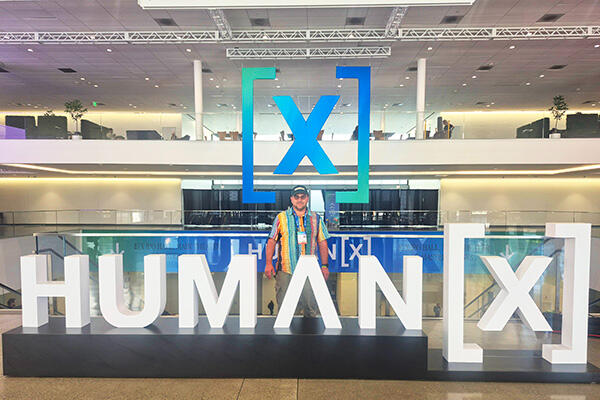
Field Notes


Event entrance of HumanX, highlighting the spatial
organization and scale of the conference

The physical space further reinforced this integration. The exhibition area, concentrated in a single environment alongside some stages,
allowed alternating between demonstrations and talks without major breaks in context. Elements such as arcade areas - with pinball machines,
Arcade (Pac-Man), and a jukebox - and the presence of vegetation (artificial and natural) served as a counterweight to a predominantly
technical environment.

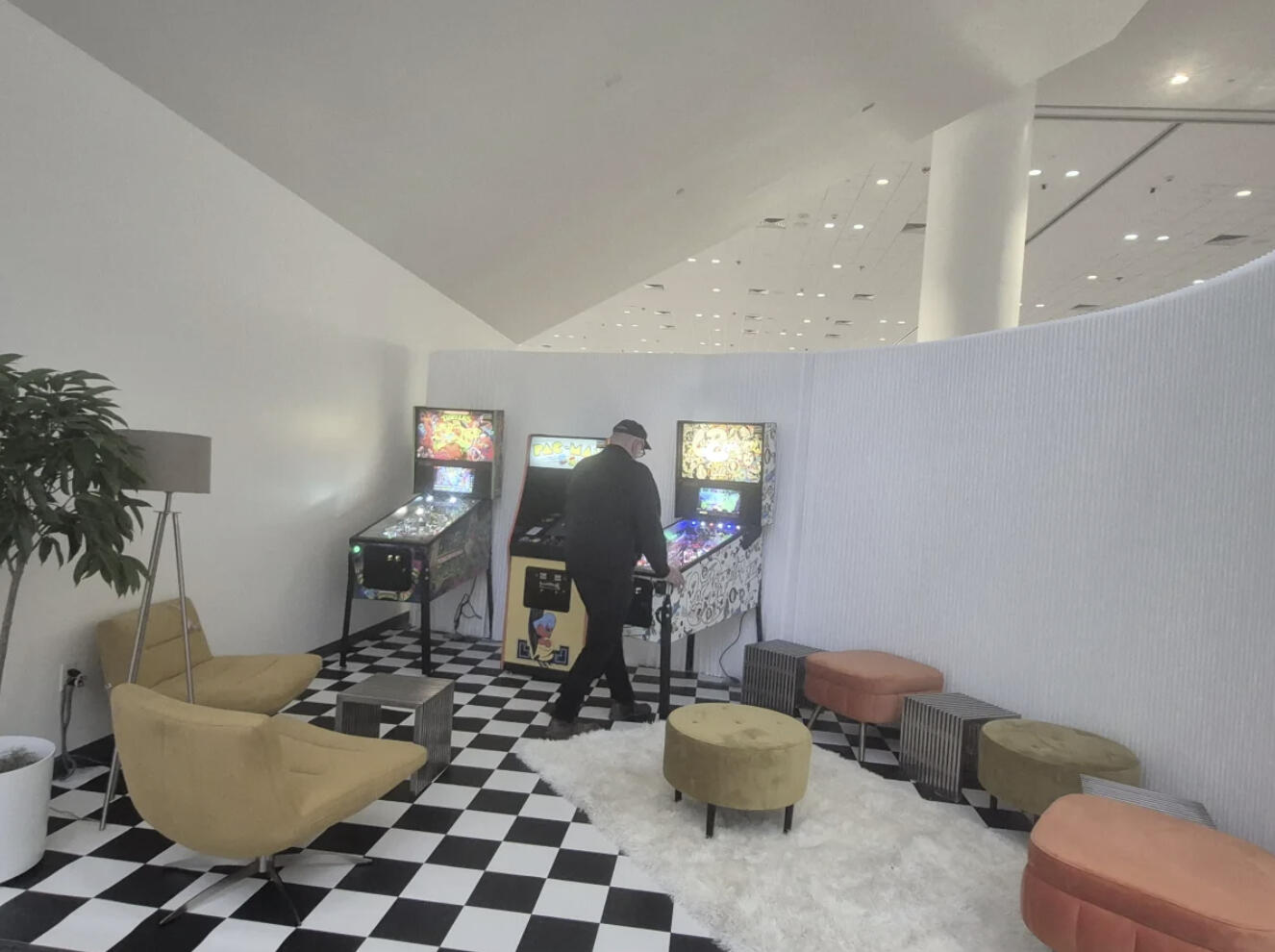
Arcade area integrated into the exhibition space, functioning
as a playful counterpoint to the technical environment.

The physical space further reinforced this integration. The exhibition area, concentrated in a single environment alongside some stages,
allowed alternating between demonstrations and talks without major breaks in context. Elements such as arcade areas - with pinball machines,
Arcade (Pac-Man), and a jukebox - and the presence of vegetation (artificial and natural) served as a counterweight to a predominantly
technical environment.

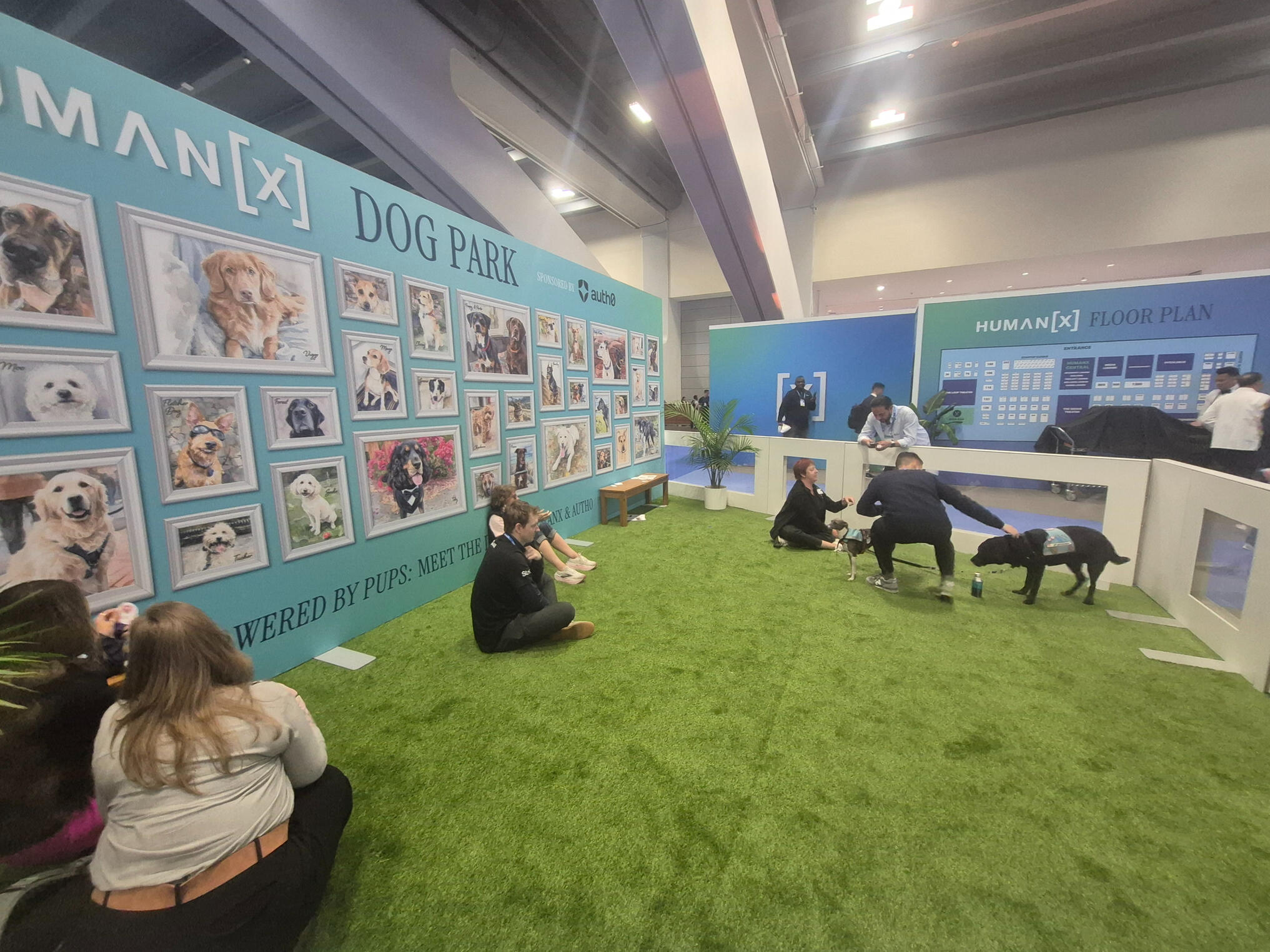
"Dog Park" space within the exhibition area, promoting human
interaction amid the technological environment.

In that same spirit, one of the most memorable spaces was the "Dog Park" - an area dedicated to interaction with dogs within the exhibition
environment. More than a curious element, this space highlights a relevant trend: the incorporation of sensory and affective experiences as a balance
within a highly technical environment. In a context dominated by AI, infrastructure, and corporate solutions, this type of initiative reinforces
the centrality of the human factor - not just as a user of technology, but as a physical, emotional, and social presence within the ecosystem.
The overall tone of the event was predominantly optimistic, with some more cautious and reflective approaches. A balance was observed
between commercial applications and more experimental discussions, though with a clear predominance of solutions oriented toward
the corporate and professional market.
Regarding the tools and platforms in evidence, there were recurring references to ChatGPT in different contexts, often accompanied by
recommendations to use the AI tool of the user's preference in more experimental workshops. Even so, the most perceptible highlight
went to Claude, which presented itself as the primary reference throughout the event. Following that, Perplexity appeared with relevant
frequency, though to a lesser degree. There were also mentions of platforms such as Lovable, associated with approaches to "vibe coding" -
aimed at more intuitive and experimental creation - as well as a strong presence as an event sponsor.

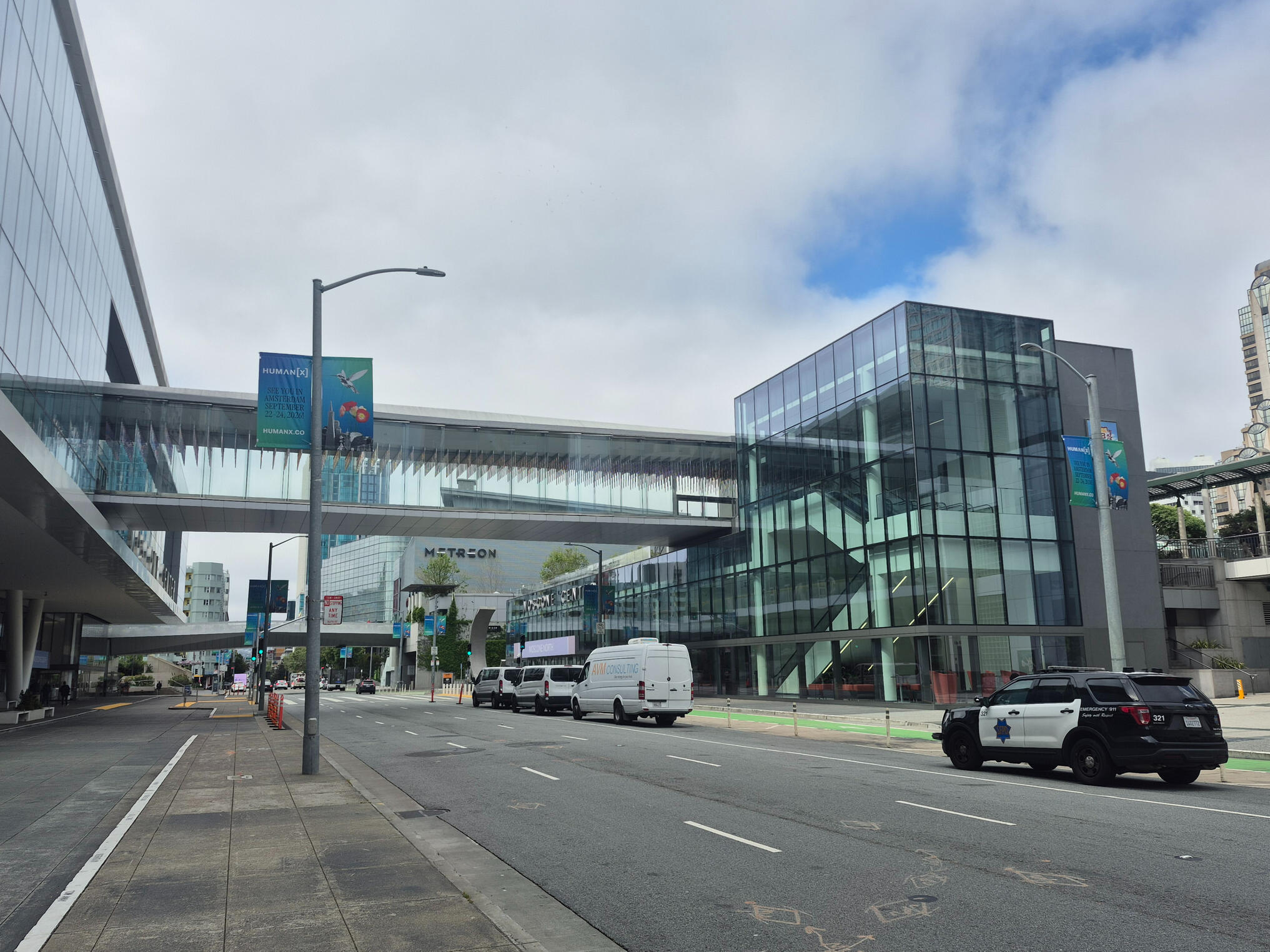

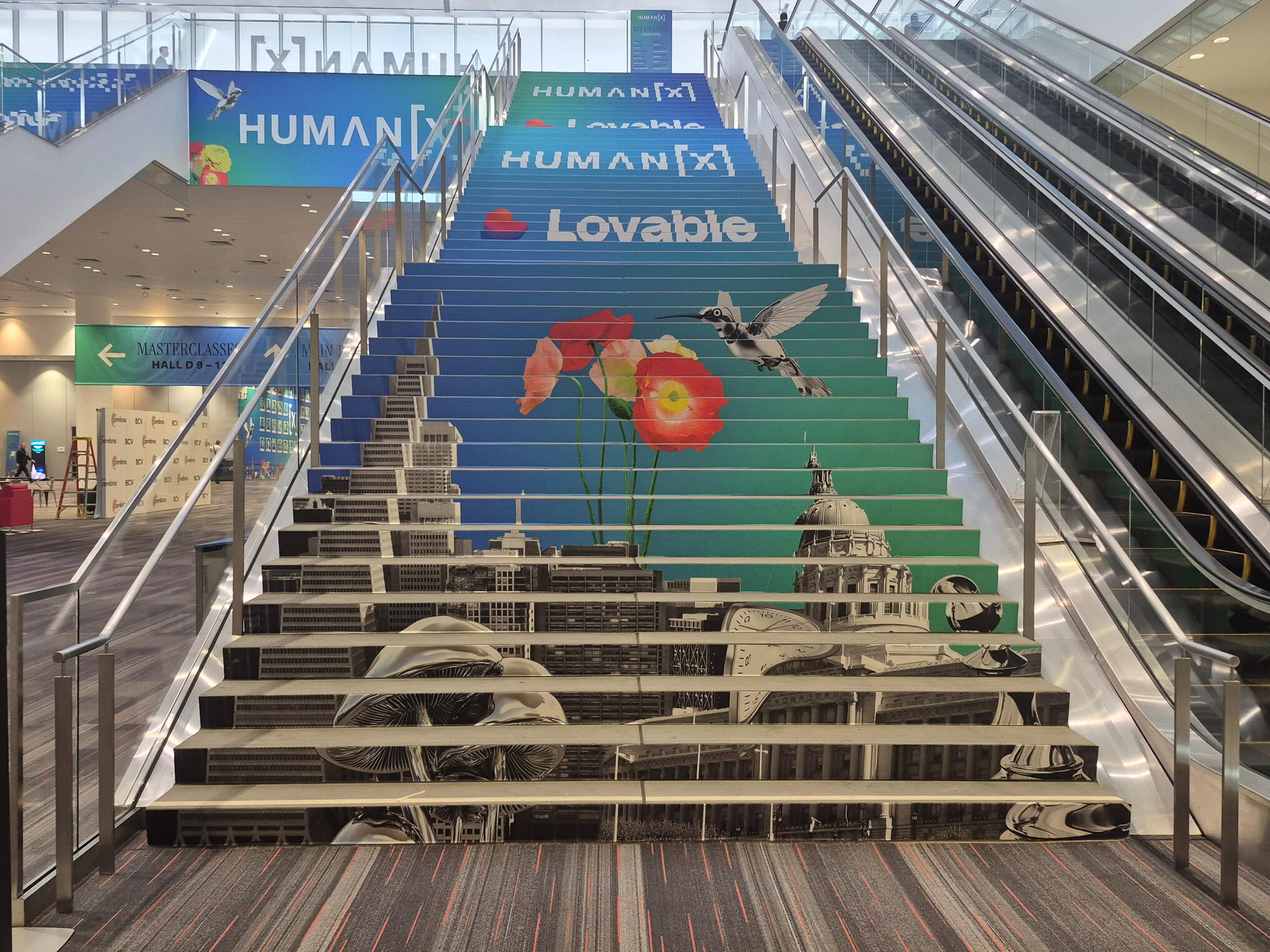

Visual presence of the event and its sponsors
in the urban & indoor environment

Networking moments also followed a structured logic, with events such as happy hours and specific gatherings often sponsored by companies.
In one of the most memorable cases, the event took place at San Francisco City Hall - a large-scale, high-production environment, with catering,
musical performances, and an atmosphere that blended technology and entertainment. Although this type of space is available for rental,
its use reinforces the perception of proximity between the technology ecosystem and institutional environments, even if indirectly.
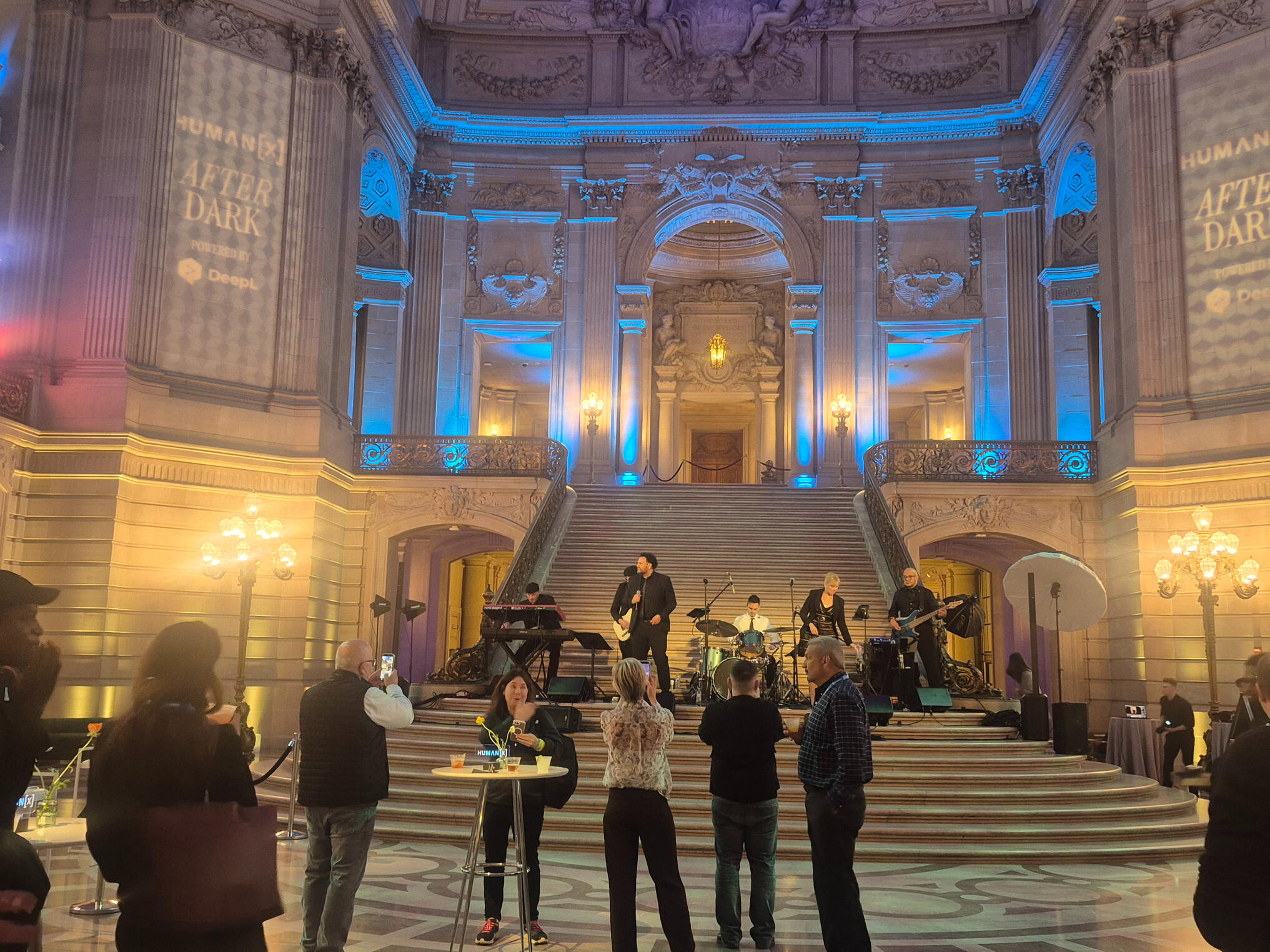

Networking event held at San Francisco City Hall,
with immersive setting & high-level production

The event's presence extended beyond the physical conference space. There was strong HumanX brand visibility throughout the city, with signage, advertisements, customized vehicles, and also presence on digital channels - including online advertising - indicating a significant investment
in reach, visibility, and event positioning.
Finally, some observations made outside the sessions reinforce the direct relationship between the technology ecosystem and its physical context.
The physical proximity between companies such as Anthropic, Salesforce, and BlackRock, as well as OpenAI and Uber (all neighbors in the urban environment), along with the presence of major players like AWS (Amazon Web Services) and Uber at the event, highlights the convergence
between infrastructure, capital, and AI development at scale.
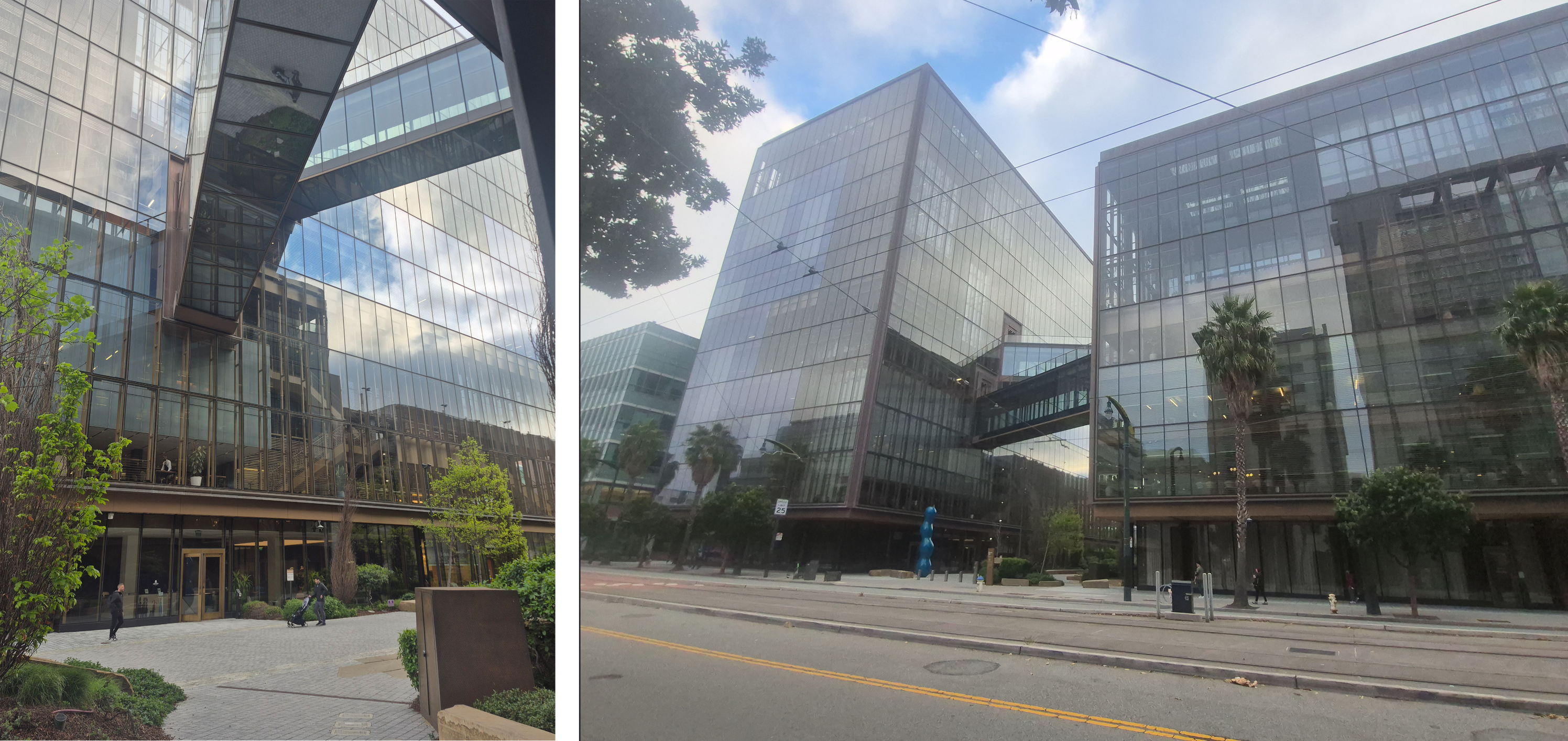

OpenAI headquarters (creator of ChatGPT) in San Francisco,
just a few minutes away (approximately 0.6 to 2 miles)



Physical proximity between companies such as Uber (right) and OpenAI (left) in the urban environment of San Francisco, highlighting the geographic concentration of central players in the AI ecosystem


Buildings near Anthropic, creator of Claude (beige building on the right),
in direct dialogue with companies such as Salesforce (rounded tower on the left)
and BlackRock (video facade on the left), illustrating the proximity
between technical, corporate, and institutional infrastructure



Anthropic building, creator of Claude (beige on the left),
and Salesforce (rounded tower on the right)

In this sense, HumanX presents itself not just as an event, but as an organized expression of an ecosystem in full consolidation.The articulation between companies, infrastructure, capital, and urban presence suggests a movement in which AI is no longer a set of
isolated initiatives but operates as an integrated layer of the economy and society. More than anticipating trends, the event demonstrates
how these systems are already being structured - in a coordinated, scalable, and increasingly present way in everyday life.
For CG, 3D, and XR professionals, this context reinforces an important shift: less focus on technology as an end in itself and more on its integration into larger systems, where visualization, simulation, and interaction play increasingly strategic roles.

Moses Silbiger
Moses Silbiger, M.A., is a US correspondent for MaxRender and an independent researcher on the convergence between AI, interactive experiences, and human development.
Through his initiative Press Play to Grow!, he explores how AI tools, interactive entertainment, and ways of assessing and promoting development can catalyze diverse human
potentials across multiple dimensions.
Learn more at: https://pressplaytogrow.com

Magazine Articles
Coverage Conferences - US Representative


Note: This article was originally published in MaxRender Magazine (Brazil) - a publication focused on computer graphics and digital design.
The perspective here reflects that context, though the insights extend well beyond it.*



From Rendering to Reasoning:
What SXSW 2026 Reveals About the Future of 3D, AI, and XR


SXSW 2026 shows how AI, 3D, and XR are converging to redefine simulation, interaction,
and computer graphics.
By Moses Silbiger · Updated April 22, 2026
How are world models, digital twins, and interactive immersive experiences redefining computer graphics - and why is Brazil already
part of this transformation?


SXSW 2026, Austin, Texas, USA. On-site coverage for MaxRender,
following discussions on the future of AI, XR & computer graphics


Forget the Hype Cycles
At SXSW 2026, what emerged wasn't a single breakthrough technology, but rather a clear convergence of three major fields:
• Artificial Intelligence
• Computer Graphics (3D)
• Extended Reality (XR)
More than simply introducing new tools, we're entering an entirely new computational layer:
Systems that don't merely represent the world—they simulate it, understand it, and enable meaningful interaction with it.
By attending sessions in person—and following additional presentations online due to overwhelming demand—it became possible to identify
consistent patterns that are already reshaping the visualization, rendering, and digital experience industries.
World Models: AI's Real Leap Forward

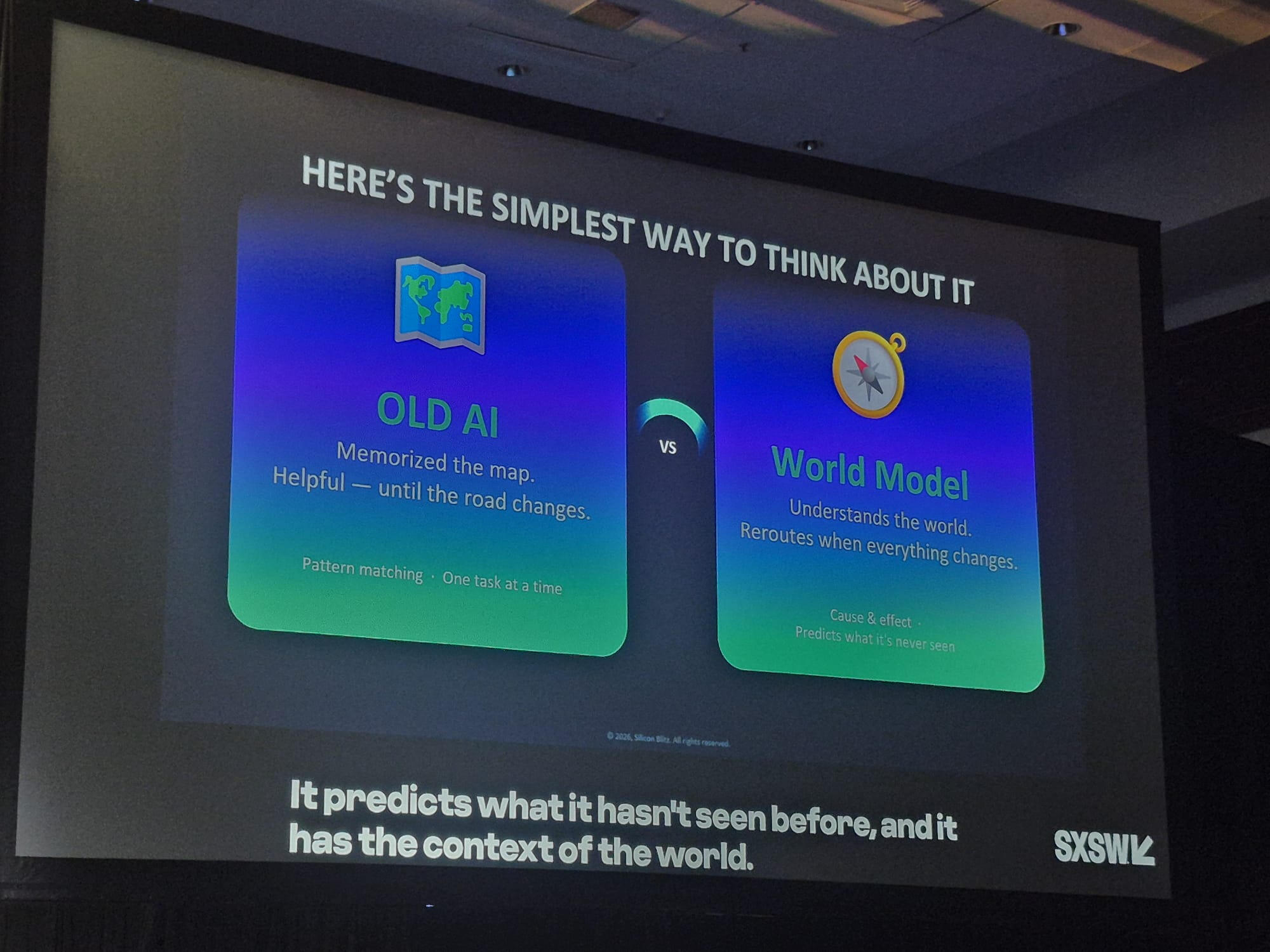
Presentation by Sandy Carter,
author of AI First, Humans Always, at SXSW 2026

One of the central ideas presented during the conference was the transition from traditional AI toward what are known as world models.
Traditional AI
• Recognizes patterns
• Relies on previously seen data
• Performs narrowly defined tasks

World Models
• Understand context
• Simulate cause-and-effect relationships
• Predict entirely new scenarios
The analogy presented during the session captured the distinction perfectly:
Traditional AI memorizes the map. A world model understands the territory.
For professionals working in 3D, this distinction is transformative.
The future of AI is becoming inseparable from simulation, rather than simple data processing.
Digital Twins: 3D Becomes Infrastructure

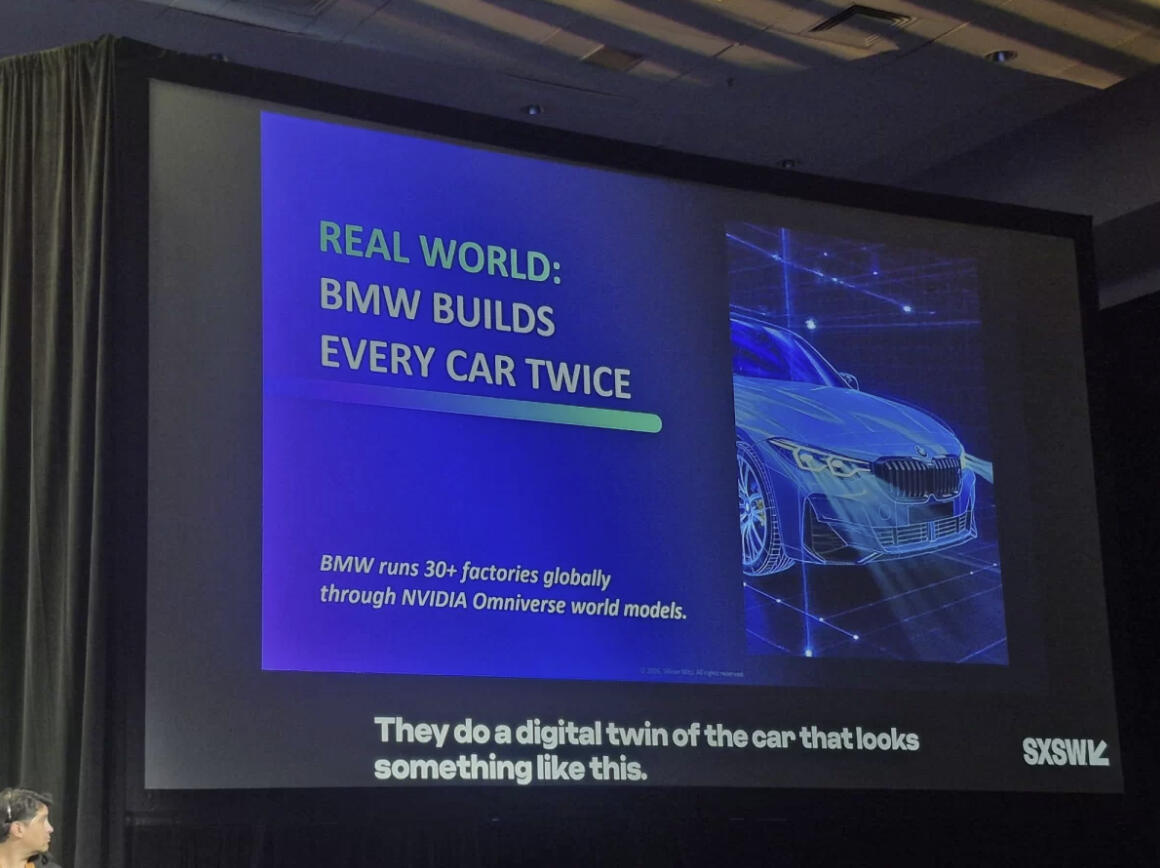
Presentation by Sandy Carter at SXSW 2026

A compelling real-world example came from BMW.
Today, every vehicle is effectively built twice:
• Once as a physical product.
• Once as a digital twin.
This is made possible through the use of NVIDIA Omniverse across more than 30 manufacturing facilities.
This represents a fundamental shift.
3D is no longer just a tool for visual representation.
It is becoming operational infrastructure, supporting decision-making, optimization, simulation, and industrial intelligence.
ROI and the End of the Experimental Phase

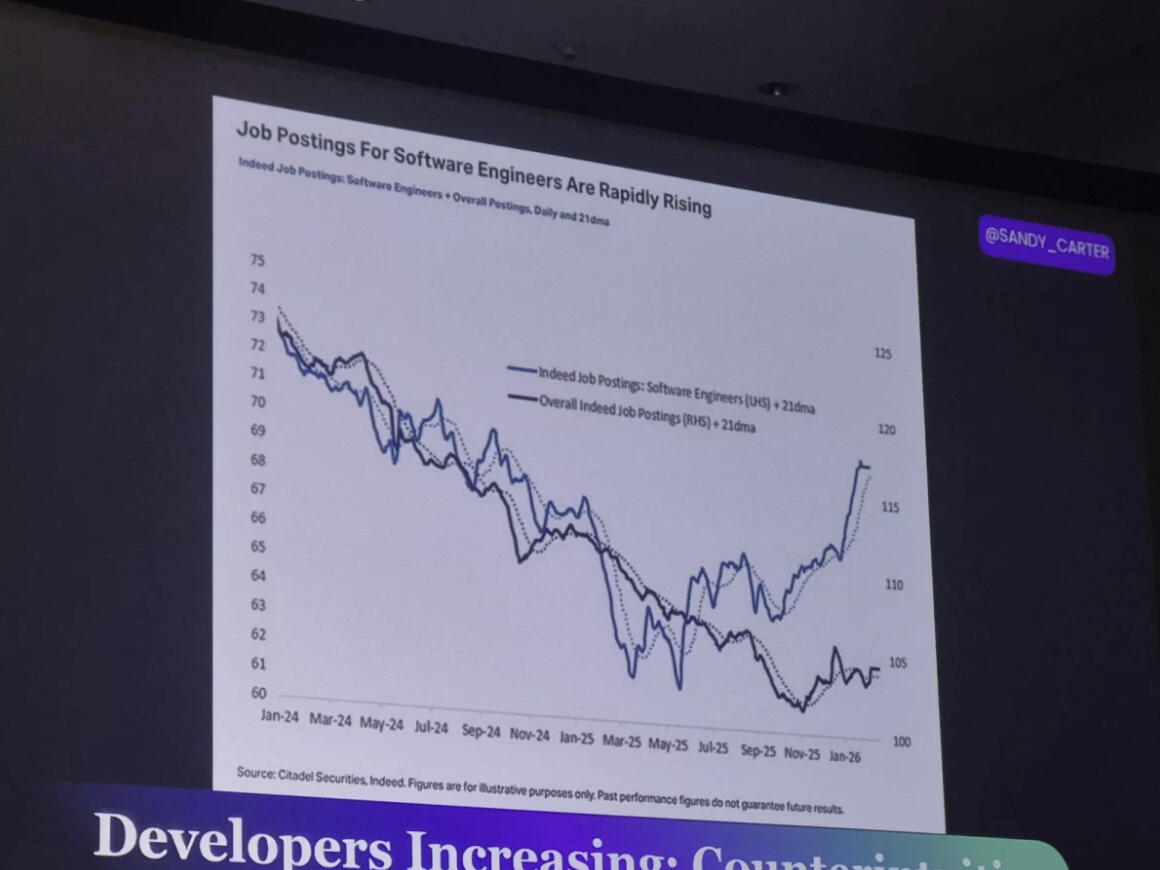
Presentation by Sandy Carter at SXSW 2026

Companies using these approaches report:
• 30% faster decisions
• 10x more scenarios tested
• Up to 5x faster ROI
The message is clear:
The experimentation phase is ending. We are entering the era of real implementation.
The most counter-intuitive insight: The model is not the center.
• 15% of investment, model
• 185%, integration, governance, operation
"You're optimizing the wrong 15%."
his completely changes the logic of AI adoption within companies.
XR: the interface of this new reality

If AI understands the world and 3D simulates it, XR allows you to experience this system.
It was at the XR Expo that this convergence became most evident, especially with experiences that already integrate real-time intelligence.
XRBR: Brazil as an XR + AI Coordinator

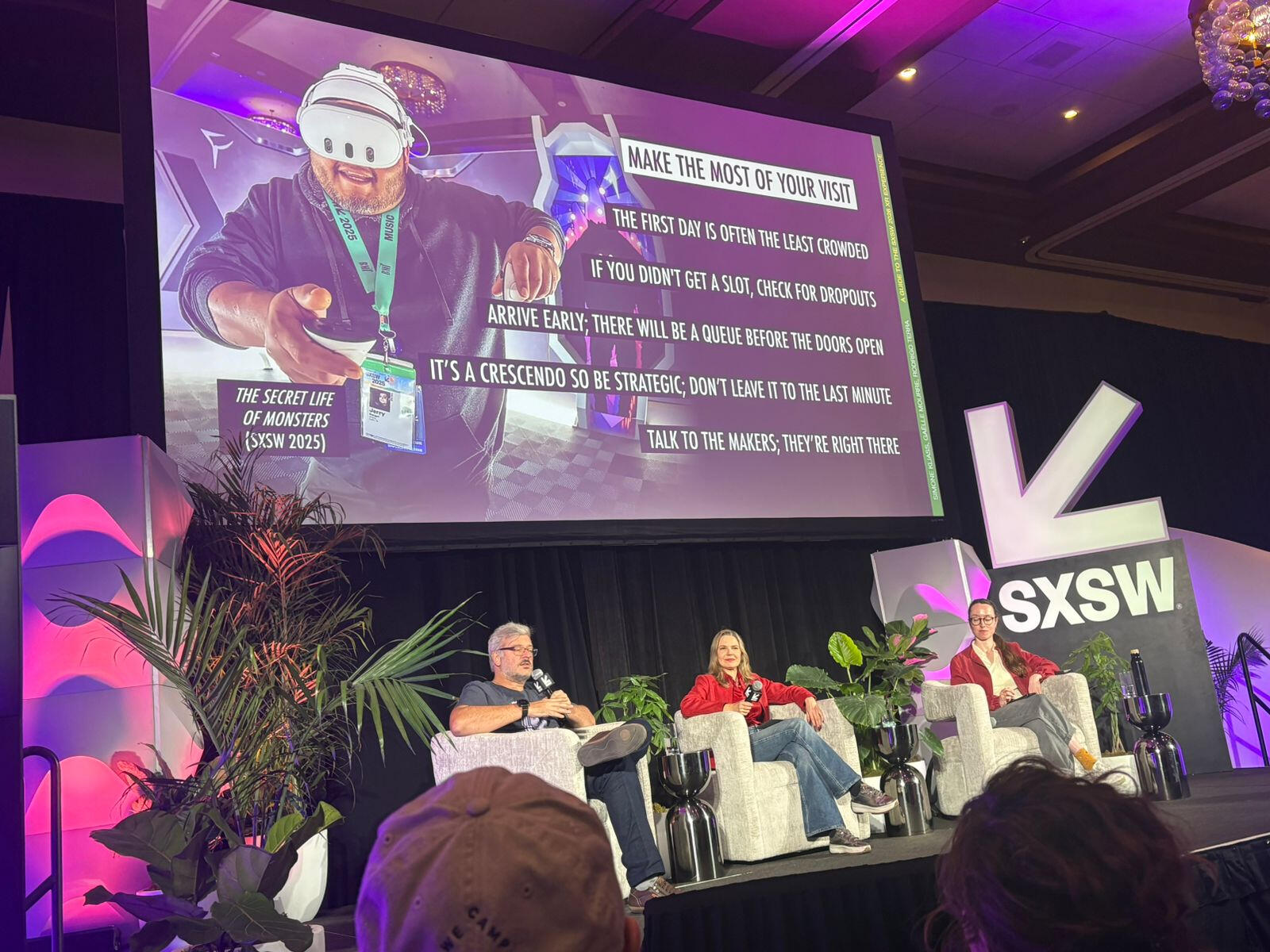
Panel "A Guide to the SXSW XR Experience" 2026
Rodrigo Terra, Simone Kliass, Gaelle Mourre

One of the most relevant highlights of SXSW 2026 was the presence of XRBR, the Brazilian Extended Reality Association.
More than just a presence, XRBR acted as a coordinator of experiences, curation, and international connection, bringing together works from different countries within the XR Expo.
One of the high points was the Fábula Rasa experience.
Fábula Rasa
Developed by ARVORE, a Brazilian studio led by Rodrigo Terra and part of the XRBR ecosystem, the experience represents a clear advance in the integration between XR and Artificial Intelligence.
Unlike traditional virtual reality experiences, where the narrative follows predefined paths, Fábula Rasa proposes a new paradigm: stories that emerge in real time from the user's interaction with AI-controlled characters.
In practice, the user doesn't just explore an environment, they participate in building the narrative, interacting with characters that respond dynamically, with their own identity and intention.
This approach points to an important evolution:
If open-world games gave us the feeling of inhabiting other worlds, experiences like Fábula Rasa point to the next step: worlds that react, interpret, and evolve alongside the player.
During the demonstration, it was possible to observe stylized 3D environments, expressive characters, and direct interactions that reinforce the sense of presence. The combination of real-time rendering, character design, and conversational AI creates an experience closer to narrative improvisation than a linear system.
It's not just immersion, it's intelligent interaction.

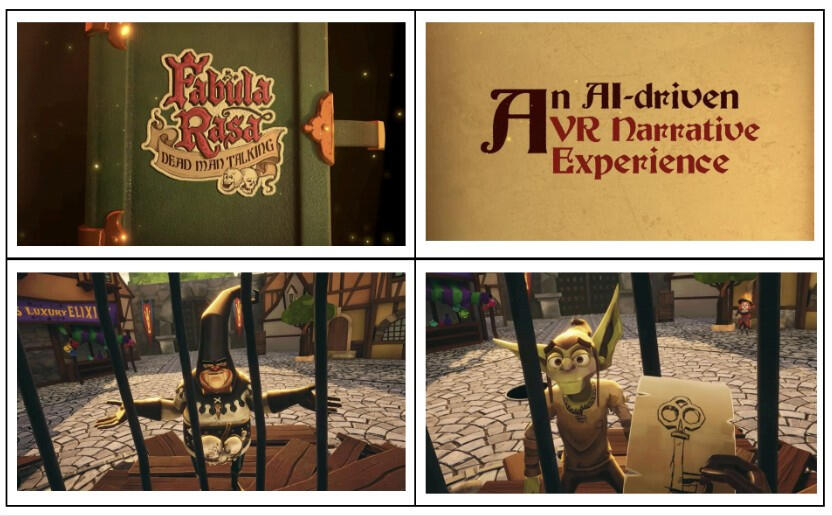
Images from the interactive and immersive experience Fábula Rasa,
which converges AI + XR + 3D resources in its adaptive story

The presence of professionals such as Simone Kliass and Rodrigo Terra, representing XRBR, reinforces the accessible, collaborative, and open character of the association, a fundamental aspect for strengthening the Brazilian ecosystem.
Brazil at SXSW 2026: Between Institutional Presence and Ecosystem

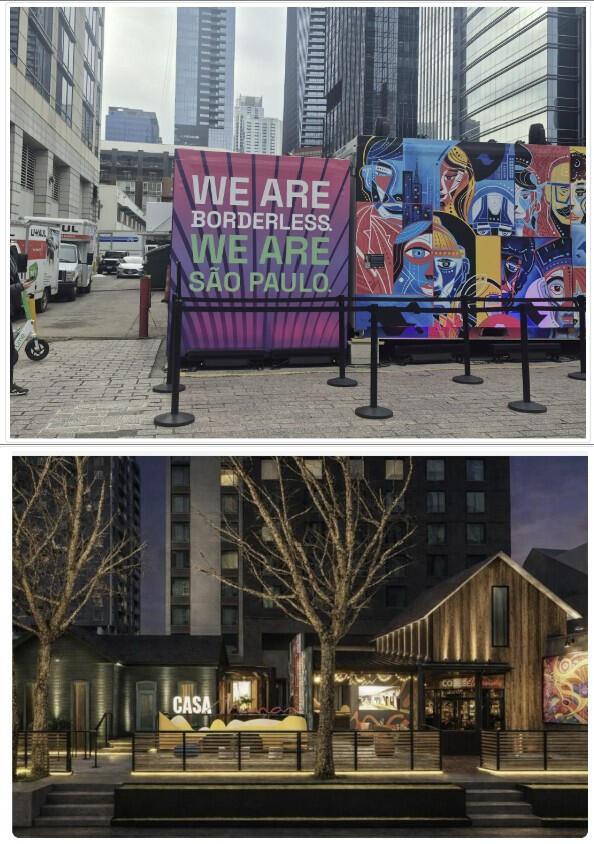
São Paulo House SXSW 2026, "We Are Borderless" (Top)
Casa Minas SXSW 2026 (Bottom)

Brazilian presence also stood out institutionally with initiatives such as:
• São Paulo House 2026, "We Are Borderless"
• Casa Minas
These spaces functioned as connection hubs between government, industry, investors, creativity, and technology.
The presence of various "houses" representing Brazilian states at SXSW reinforces something important:
Brazil is building multiple innovation hubs connected globally.
While São Paulo positions itself as an international hub, Minas Gerais emerges as a complementary axis, with growing strategic potential,
especially for future partnerships.
The Big Picture: From Tools to Systems


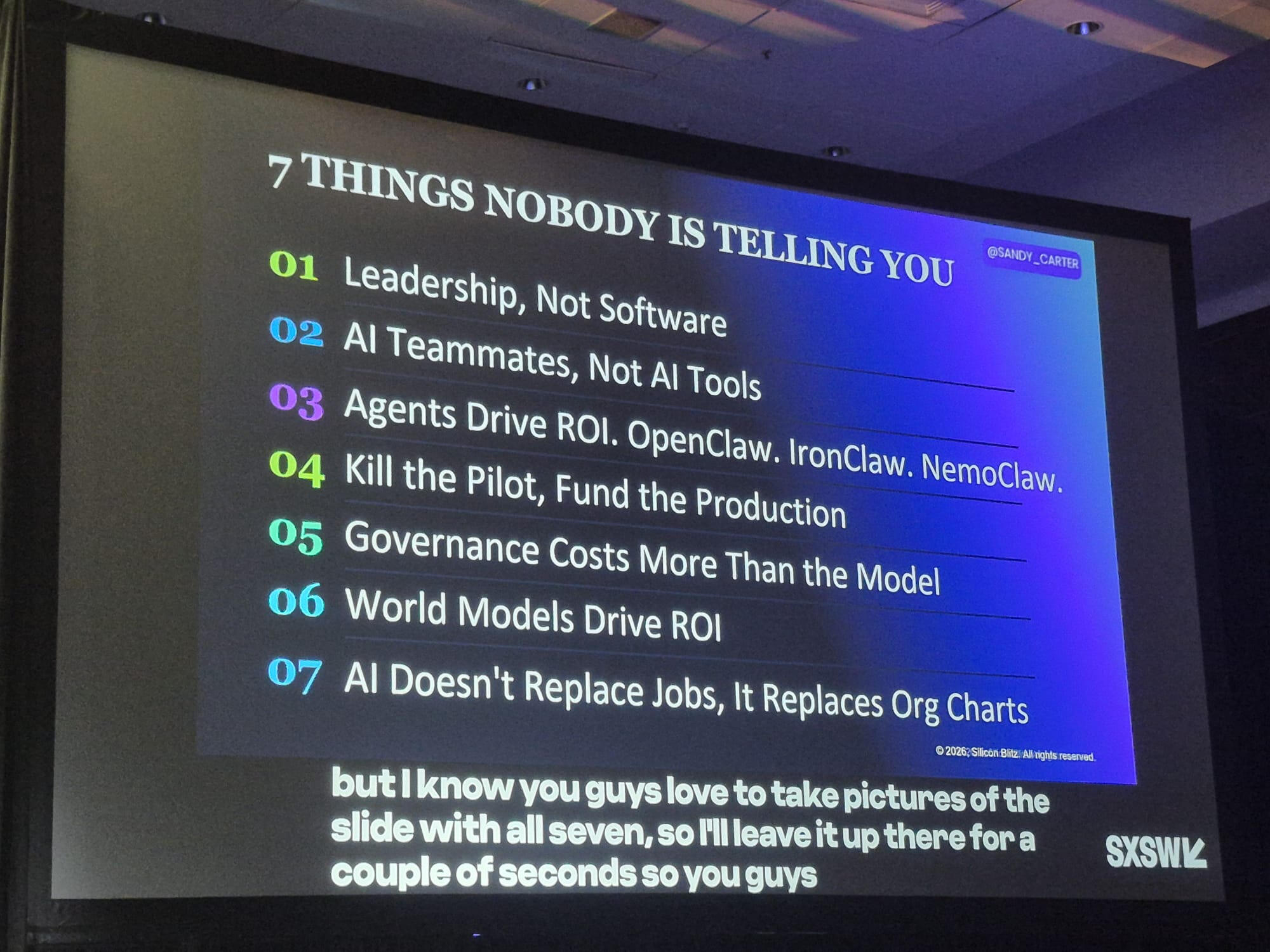
Presentation by Sandy Carter
author of the book "AI First, Humans Always" at SXSW 2026

A recurring synthesis throughout the sessions:
• Leadership matters more than software
• AI as teammate, not tool
• Agents generate ROI
• End of pilots
[•]{#eec644Governance as the main cost} World models as the engine of value
• AI transforms organizational structures
Conclusion
SXSW 2026 wasn't about one specific technology.
It was about a convergence:
• AI evolving toward understanding of the world
• 3D becoming a simulation engine
• XR as the interface of this new layer
For computer graphics, this represents a clear transition:
•From rendering → to simulation
• From image → to system
• From visualization → to experience
And perhaps most importantly:
From productivity → to understanding

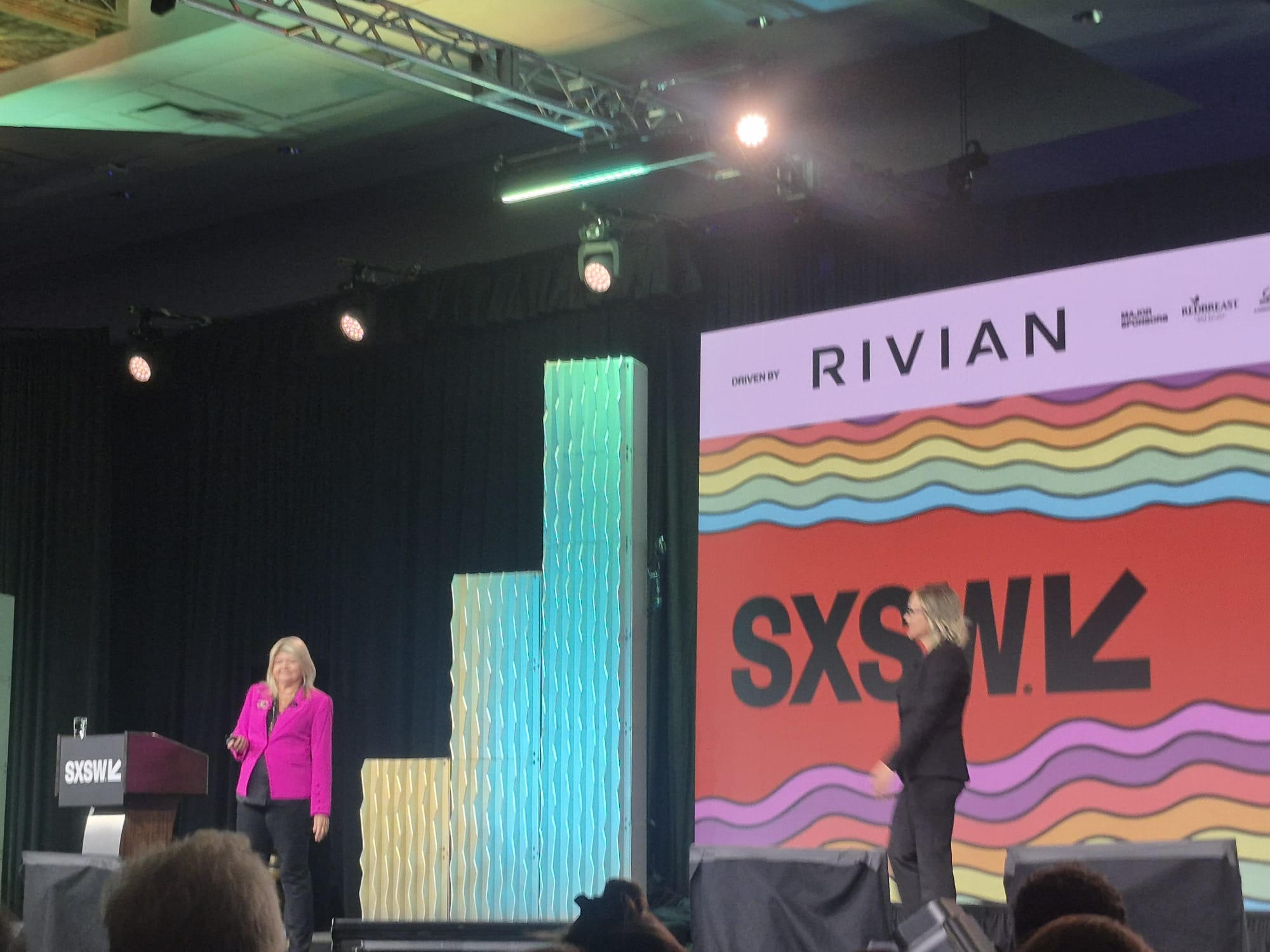
Sandy Carter - author of the book "AI First, Humans Always"
during her presentation at SXSW 2026, highlighting the role of world models,
agents & governance in the new phase of Artificial Intelligence


Moses Silbiger
Moses Silbiger, M.A., is a US correspondent for MaxRender and an independent researcher on the convergence between AI, interactive experiences, and human development.
Through his initiative Press Play to Grow!, he explores how AI tools, interactive entertainment, and ways of assessing and promoting development can catalyze diverse human
potentials across multiple dimensions.
Learn more at: https://pressplaytogrow.com


Site Architecture
Home



Gateway Pages






Research Trajectory · Deep Dive




Communication · Many Channels








contact
On the same wavelength?
If this research resonates with you - whether you work in AI, Interactive Entertainment,
or Developmental Psychology, or simply want to connect as a kindred spirit - let's talk.


Articles & Posts

© 2026 Press Play to Grow! All rights reserved.